In 1968 Jerry Snell opened a door in the hallway outside our first hour chemistry class. He invited me into what I discovered was a darkroom. Soon I was on the school newspaper and annual staff as a photographer. Later I learned that Jerry was a Lutheran who was planning to become a pastor. A few years later I was not only a Lutheran, but I was heading off to seminary to become a Lutheran pastor, too. Jerry followed a year later and served as a pastor in Missouri until his untimely heart attack and death. I thank God for Jerry and enjoy photography still today – not to mention rejoicing in having served as a Lutheran pastor in congregations in Utah, Colorado, Arkansas and Texas. I’ve retired now and serve part time as a Congregational Support Specialist for the Texas District of the LCMS. I also provide coaching and leadership training through various PLI cohorts and with individual congregations and organizations.
David Bahn is a follower of Jesus Christ, husband to Diane, father and grandfather. He is an avid amateur photographer. His photo website is “Flowers by God Photos by David” He also publishes a devotional blog DavidBahn-Reflections.com.
He and Diane live in Cypress Texas and enjoy visiting their grandchildren who live in the United States and Germany.
He graduated from Concordia Theological Seminary in 1979, and earned a Doctor of Ministry degree from Fuller Theological Seminary in 1991.
Diane, his wife, is now retired from PLI (PLIleadership.org). They have offered presentations on Marriage and Ministry Partnership, Leadership, Changing Your Congregation’s Culture, and Missional Living. They look are working with PLI International training pastors and wives of the ELVD Diocese of the Lutheran Church of Tanzania.
David’s personal mission statement is “Leading people to realize Jesus’ calling and plans for their lives.”
A colleague recently shared a very troubling story about the boyfriend breakup of his daughter, a high school senior. She had broken her relationship with him, allowed him back into her life, and then broken up again. The young man must be troubled. He causes her embarrassment, and trouble at school by saying unkind and untrue things about her. Worse yet, she reported that he came to her home and was peeking in through the windows there. This is the attack of Satan through this young man – troubled as he certainly is.
A friend of mine is currently battling cancer. He describes the battle as one against a visitation of the devil. He’s in good company. Paul spoke of his thorn in the flesh as a messenger of Satan to torment him. This is also an attack of Satan.
Jesus speaks of the devil as a thief who comes to steal, kill, and destroy. It is Satan’s greatest desire to steal our joy, kill our hope, and destroy our souls. There is nothing cartoonish, impish, or exciting about anything Satan is offering. He may disguise it as such, but his ways lead to death. Every time.
It wasn’t some maggot-infested, half-rotten piece of fruit that the serpent pointed to on the ground near the tree in the Garden of Eden. It was good for food. Desirable for wisdom. Pleasing to the eye (cf. Genesis 3:1-8). Satan’s offerings always look good. But they always also kill, steal, and destroy. He has an agenda. It is for our harm and eternal destruction. We must not be unaware of his designs (cf. 2 Corinthians 2:11).
Be warned.
[More tomorrow]
Jeff shares the gospel message with some Guatemala children, using the Evangelcube | Guatemala City | September 2018
We were at a church leadership conference in the Chicago area. Bill Hybels was speaking to the crowd of 2000 or so church leaders. He said, “If there is an issue you just can’t seem to get beyond, if there is a sin you can’t seem to defeat, you might do well to get with a Christian counselor.” There was. I did. I am thankful, and at a much better place than I used to be for it.
The blessing of guilt. Don’t feel bad about feeling bad – especially about sin in your life. In other words, feeling bad about something that displeases God is a good thing. If we feel guilty because we are hurting others, and feeling bad about that might lead to a change in behavior that would be good for those you are hurting and for yourself as well.
Brand and Yancey in their book, Pain, the Gift Nobody Wants, share a touching story of a medical missionary visiting a leper colony in India. The doctor had apparently made a major impact for the good of these people and they were excited to see him. In his exuberance one of the patients ran across the open yard to greet the doctor. What he didn’t realize was that as he ran his ankle had completely broken. The bone was coming through the skin and he was injuring his foot and ankle ever more severely with each step he took.
Pain is a warning. C.S. Lewis famously said, “Pain is God’s megaphone to the world.” Through our pain God is sometimes calling our attention to a needed change in our lives. Your friends all forsake you? Perhaps you need to be more understanding or aware of their needs. Have you received a diagnosis of diabetes? A change in diet may be called for. Does your big toe hurt every morning? Perhaps you need to move the foot locker out of your path to the bathroom so you don’t stub your toe!
Some times feeling bad is a necessary precursor to making a change that we otherwise would not make. So while we may not need to feel bad about feeling bad, we may need to feel bad about something over which we have control which is causing us unnecessary distress.
When I was in college I struggled with making good grades. I cast about seeking different career paths. Premed? Great! Except for the D’s and F’s I made in classes essential for entry into medical school – minor things like biology and zoology. The irony of that is the fact that my soon-to-be wife graduated a prestigious university with honors and a degree in biology! She would have made it into medical school – had shoe chosen that career path – with little trouble. But I digress. My college years came to a hiatus only a semester before I would surely have gotten dishonorably discharged from school.
It was the winter of 1973 when I finished a real estate class, to the state exam to become a real estate broker. I had my own business – bankrolled by my dad and mom. I was pretty miserable and pretty much a failure at it. In one week I sold two houses, the realtors fees from which would have bankrolled me for at least two months. The next week, both deals fell through on the same day.
Perhaps it was at that time I also drove up to my future father and mother-in-law’s house to discover a For Sale sign in the yard. They had (wisely) passed over me and chosen another company to sell their house. I was devastated. I sat in stunned silence in the car that night while Diane wondered what to do. It wasn’t her call or her fault, but I was her boyfriend! And at that time I was quite serious about her!
Not too long afterwards my good friend Jerry offered some great words of wisdom. We were on the way to a friends bachelor party. It would be a relatively mild event compared to anything we see on TV or the movies today. But the night would prove to be the beginning of a whole new chapter in my life.
We were riding in Jerry’s 1966 Ford Fairlane. The night air whipped through the car windows, as we sped down Interstate 55 to the park we were to meet for the party. Jerry and I were very close friends, and he would speak straight with me. That night he said, “Dave, I think you’d make a better pastor than a real estate broker.”
This was not a new thought. He had long been urging me to become a pastor. I had deftly put it off time and again. This time, however, I had to admit it. He was right. He could have said I would make a better dog-catcher, carpenter, or short-order chef than a real estate broker, and I would likely have agreed. But that night he said, “pastor.”
My acknowledgement of that caused a change deep in my heart which launched my life in an entirely new direction. And that’s a story we’ll take up tomorrow.
One caveat deserves mention. I referenced Bill Hybels earlier. The recent events surrounding his leadership at Willow Creek Church have revealed some major issues and caused much public distress. I am not privy to the particulars of the charges or his guilt or innocence. But I am keenly aware of the severe impact that a leader’s public sin or moral failure – or even the appearance of ungodliness – can have on churches and people. I’m not certain what he was referencing in his comments two decades ago, but I was saddened to learn of his downfall.
The book, Leadership and Self-Deception, is published by the Arbinger Institute. It is “a relatable story about a man facing challenges on the job and in his family, …[It] exposes the fascinating ways we can blind ourselves to our true motivations and unwittingly sabotage the effectiveness of our own efforts at success and happiness” (Arbinger Institute). The book is insightful and helpful in dealing with leadership challenges; well worth the read.
Leadership and Self-Deception is not a Christian book, although it certainly does hint at the truth of 1 John 1:8-10
If we say we have no sin, we deceive ourselves, and the truth is not in us.If we confess our sins, he is faithful and just to forgive us our sins and to cleanse us from all unrighteousness.If we say we have not sinned, we make him a liar, and his word is not in us. [ESV]
These words lead us from lament to confession. Lament is important. It is an essential first step to dealing with the challenges of living in a fallen world. But if we only lament we forfeit a fuller experience of God’s goodness, and a greater encounter with true joy. Lament paves the way to confession, which opens the gates of our hearts to God’s grace. God’s grace makes all the difference.
God knows our frame. He knows that we are but dust. He knows all about our fallen nature, our peccadillos, and our wayward and erring ways. We only deceive ourselves when we try to hide our sinful brokenness from him. We cannot pull the wool over his eyes. He knows and loves us even in our brokenness; or perhaps I should say especially in our brokenness.
Some people say we deserve to be loved. I’m not ready to say that. But I do say that we are truly loved – whether or not we deserve it. God loves us. The real us. The broken us. The fallen us. The wayward, rebelling, erring, and sinning us. He loves us so much that he fights for our hearts. He loves us enough to give us his Holy Spirit to transform us. He loves us enough to free us from the old trap of self-deception to a new and free experience of life beyond lament.
Several years ago I was talking with my sister about her marriage. I told her, “We have a great marriage.” Only later did I learn that Diane happened to hear me say that and instantly had a gut reaction. It sure doesn’t feel all that great to me, she thought. All this I learned sometime later. It proved to be a catalyst for some intentional, focused, and sometimes-challenging marriage work.
We will take a look at that and more tomorrow.
This is just one of several ways I saw while in Guatemala City in which discarded tires were used. September 2018
Herald was a long-time member of the church I served. He had his opinions and I had mine. We didn’t see eye to eye, and in his mind I was destroying the church. One day after worship, he and his son asked to see me. We went to my office and they unloaded on me – this 40 year old dad and his teenage son. I listened for a time until I had to ask, “Herald, I wonder if there is anything I’ve done that pleases you.” His answer still stings. “I believe you have raped and pillaged this church.”
Herald is not his actual name. But those were his actual words. Verbatim. I was so dumb-struck I didn’t know what to say. I did not believe he was right. He certainly was not gracious. From that moment I went into self-preservation mode. I did all that I could to protect my heart from further harm. But it would not be the last time for such a vicious attack.
Tom’s mother was dying. She lay in her bed in a local nursing home, and when I went to see her, he was by her side. We spoke and I prayed. I shared comfort from God’s word. Then something happened which I still do not understand. He suddenly and without warning got angry with me and spoke to me in a most disrespectful manner. I turned on my heels and left the room. I had visited his mom. I had prayed for her. I didn’t need to endure ridicule and disrespect the likes of which he was dishing out.
It was a long hall down which I walked. My shoes squeaked on the newly-waxed tile floor. Florescent lights cast their greenish-blue haze. The long walk gave me time to think. I decided that I needed to turn around and seek to make amends with Tom.
When I got back into the room he was sitting beside his mother’s bed. She slept quietly. The room was dark and he was silent. “I’m sorry, Tom, I lost my temper.” Before I could actually ask for forgiveness (for which he also needed to ask – truly), he was up and out of his chair.
He took me by the elbow and ushered me out into the hall. “Some people just aren’t cut out to be pastors,” he said. He glared into my eyes. Some people, I suppose don’t need to forgive. They have no need for forgiveness themselves – in their own minds.
Ouch! That hit me hard. I had been warned about him. His sister said that he had a mean streak. I had just experienced it for sure. I closed my heart to this man and his evil intent, just like I had closed my heart to the man and his son who had made those horrific accusations of my actions toward this church I was serving.
This is where the chasm of character between Jesus and me is most obvious. Jesus is totally committed to the will of his Father and the good of all people. I want those things, but my commitment all too frequently fails. When Jesus was insulted he did not close his heart. When he was reviled he did not protect himself. When people rejected his message and broke his heart in their evil actions toward others, or their self-righteous belief that they were right and Jesus was wrong, he embraced the pain. He took the sin of the world into his being and it killed him. But by his death, he destroyed the works of the devil.
Jesus destroyed Satan’s works in the strangest and most inexplicable ways. Jesus appeared to be totally out of control, but was actually in complete control over all that was happening. He was betrayed by one of his disciples and abandoned by the rest. Even one of the closest three disciples denied that he knew Jesus.
Jesus knew all these things were to happen. He had predicted it, saying planely to his disciples:
“See, we are going up to Jerusalem, and the Son of Man will be delivered over to the chief priests and the scribes, and they will condemn him to death and deliver him over to the Gentiles.And they will mock him and spit on him, and flog him and kill him. And after three days he will rise.” – Mark 10:33-34
Jesus willingly suffered for the sins of the world. He redeemed us by his bitter suffering and sacrificial death. He is the Savior. I am not.
Paul speaks of it this way:
Indeed, I count everything as loss because of the surpassing worth of knowing Christ Jesus my Lord. For his sake I have suffered the loss of all things and count them as rubbish, in order that I may gain Christand be found in him, not having a righteousness of my own that comes from the law, but that which comes through faith in Christ, the righteousness from God that depends on faith—that I may know him and the power of his resurrection, and may share his sufferings, becoming like him in his death,that by any means possible I may attain the resurrection from the dead. – Philippians 3:8-11
I’m not certain how I would have handled those situations differently today than I did those many years ago. I do know, however, that whenever I or any believer suffers unjustly we have a sweet and intimate fellowship with Jesus. Perhaps this is how we learn to lament.
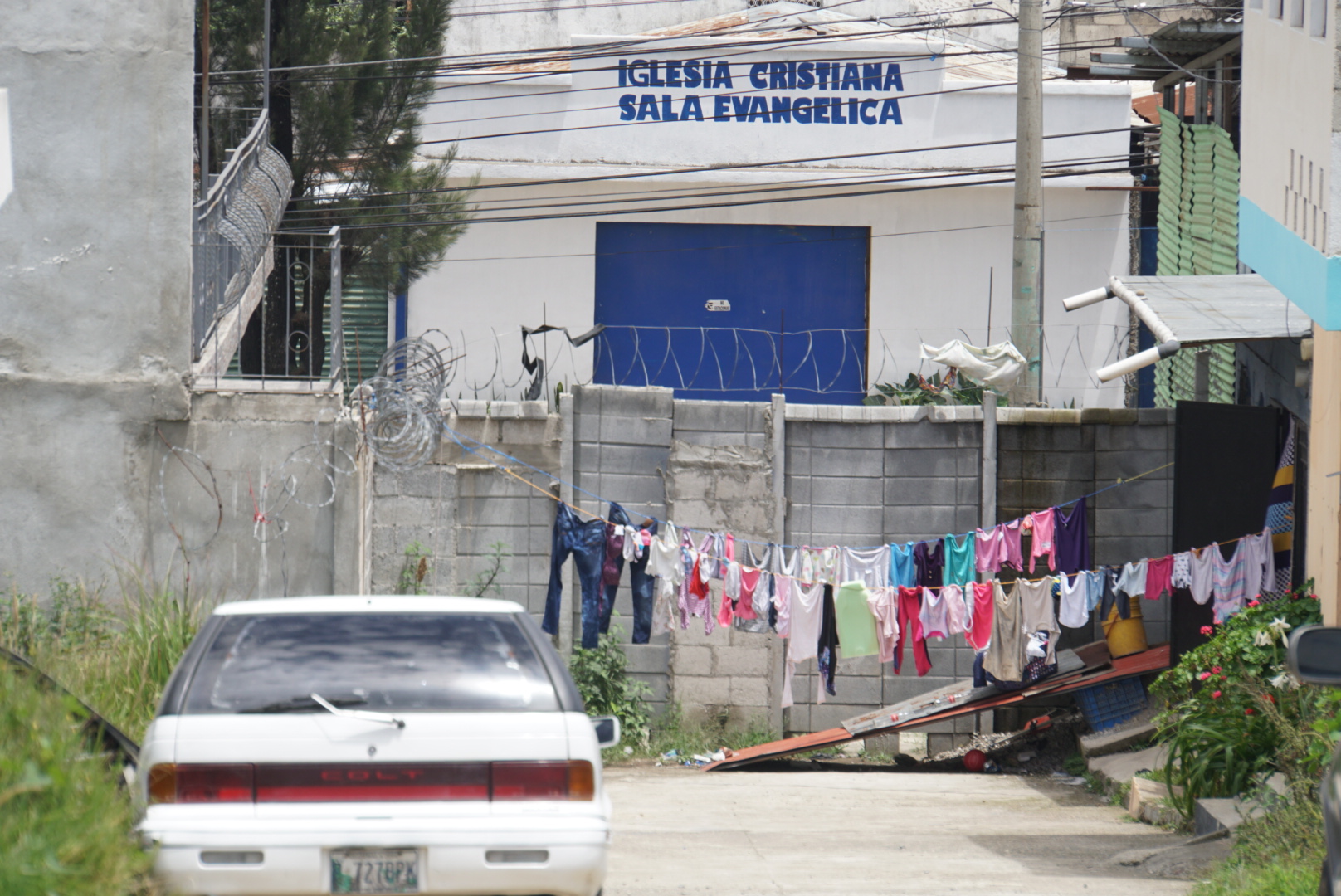
Colorful Laundry | Guatemala City | September 2018
Jesus came to this earth to seek and save those who were lost. It was necessary for him to suffer, die, be buried, and raised from the dead. These are all clearly attested to in the Gospel accounts. He had to do this to show fully the rule and reign of God in his life, his complete faith in his Heavenly Father. He also had to do this because of his full and complete love for us.
Jesus begins his public ministry – immediately after his baptism and temptation in the wilderness – with this call:
Now after John was arrested, Jesus came into Galilee, proclaiming the gospel of God,and saying, “The time is fulfilled, and the kingdom of God is at hand; repent and believe in the gospel.” – Mark 1:14-15 [ESV]
John’s arrest and imprisonment does not negate the rule and reign of God. This is key to enduring disappointment, the apparent triumph of evil over good, and every set-back against the good and gracious will of God. Jesus saw John’s imprisonment as part of a grander story of God’s redemption, his reward for righteousness, and the victory of faith (cf. 1 John 5:4). Jesus knew that God would ultimately triumph over every evil – even that which was being visited upon his friend and fore-runner, John the Baptist.
Jesus’ announcement of God’s rule and reign at this particular moment is also testimony to Jesus’ embodiment of that rule and reign in Jesus’ own life. He was perfectly obedient to God the Father. He was completely submissive to God’s will in all things. He never wavered – even when he called out on the cross, “My God, My God, why have you forsaken me?” (cf. Psalm 22 and Matthew 27).
In those times of anxiety, worry, and uncertainty, the rule and reign of God is especially comforting. When I hold to the belief that God rules over all, and that his rule is gracious and good, I am most fully at peace. This is not a matter of saying uncle as though God has my arm up behind my back. It is a matter of recognizing that God’s goodness, love, and kindness will ultimately prevail. Satan will not have his way. The thief will not steal our joy, kill our souls and destroy our hopes.
That’s why Jesus came: to destroy the works of the devil (1 John 3:8).
Guatemala Produce Delivery Truck | August 2018
Be merciful to me, O God, be merciful to me, for in you my soul takes refuge. – Psalm 57:1
I am writing to you, little children, because your sins are forgiven on account of his name. – 1 John 2:12
For everything there is a season, and a time for every matter under heaven:
2 a time to be born, and a time to die; a time to plant, and a time to pluck up what is planted; 3 a time to kill, and a time to heal; a time to break down, and a time to build up; 4 a time to weep, and a time to laugh; a time to mourn, and a time to dance; 5 a time to cast away stones, and a time to gather stones together; a time to embrace, and a time to refrain from embracing; 6 a time to seek, and a time to lose; a time to keep, and a time to cast away; 7 a time to tear, and a time to sew; a time to keep silence, and a time to speak; 8 a time to love, and a time to hate; a time for war, and a time for peace.
Ecclesiastes 3:1-8 [ESV]
Sometimes these words can seem almost trite. We know things won’t always go well. We know there will be winning seasons and losing streaks. We know disease will intrude and raises will come. We know we’ll get the girl, or lose the guy. We might even sigh about the ebb and flow of the ups and downs of life. But in the core of our being we don’t always know how to transform the knowledge in our heads to a sense of peace in our hearts.
It starts with lament. David Swanson writes:
The Bible provides a word that helps us imagine faithfulness when the tragic moments begin piling up. Lament is what the Israelites do in exile as they wonder about God’s presence. Lament is what the people do when they listen to Ezra read God’s forgotten law. Lament is Nehemiah weeping and fasting upon hearing about Jerusalem’s disgrace. Lament is Mordecai’s sackcloth and ashes, his loud and bitter wailing in response to Haman’s plan for genocide (CT Pastors, Learning to Lament).
When we lament we acknowledge that we live in a fallen world, and that the fallen creation rubs up against us. It scratches, abrazes, wounds, and rubs our souls raw. The world conspires against everything good. The devil seeks to destroy us. Our own flesh is compromised and we become our own worst enemy. To lament is to acknowledge that.
Lament, more importantly, is also an acknowledgement that there is someone to whom we may turn in times of sorrow, distress, and trouble. Lament is an exercise of honest faith. Our God does not turn us aside when we call on him. God not only allows for this, but promises that he will not despise “a broken and contrite heart” (Psalm 51:17). Jesus says, “Blessed are those who mourn” (Matthew 5:4), not blessed are those who slap on a happy face and say praise the Lord no matter what happens, in some false they’ll-never-hurt-me bravado.
Some say that the Christian faith perfectly applied brings pure happiness, success, and an end to all troubles. This is folly and the shoddy foundation of a life destined to implode, leaving behind the rubble of failure and doom. The Christian faith gives us someone to whom we can turn with confidence in the turmoil of despair. God does not despise us when we’re sad, he welcomes us. Jesus came for the sick and weak sinners.
When we were traveling across the western slope of the Rockies, I did not lament. I beat myself up. Better had I called out to God, O God, help me! Save me! Lead me to the rock that is higher than I. You are my only hope (cf. Psalm 39; 62; 109). Right now I should feel this way. I don’t want to. But that’s where I am. I need a Savior. I may wish I didn’t. But I do. That’s why Jesus came.
Two-and-a-Half Birds? | Galveston, TX | August 2018
God’s faithfulness is a shield and buckler. Psalm 91:4
The Lord is faithful; he will strengthen you and guard you from the evil one. 2 Thessalonians 3:3
Little Bird, Large Ocean II | Galveston, TX | August 2018
Our Ford Pinto station wagon was filled with personal belongings appropriate to a cross-country trip of our family of four. Far from home and family and continuing ever farther. Two car seats with our sons, ages 2 and 6 months filled the back seat. As we drove across the western slope of the Rocky Mountains the countryside became evermore sparse. Small towns punctuated Highway 40. Craig. Elk Springs. Massadona. Dinosaur. There the road that allowed a turn to the south would lead to Rangely, Colorado – the second point of my newly-assigned dual parish. Onward to Jensen, Naples, and finally to Vernal, Utah, our new home, and Our Savior Lutheran Church – the first point and larger congregation which I would serve.
As the countryside opened to a new and unique beauty – vast and barren – my stomach began to churn. They’re all going to hate me. None of them will be true Lutherans. I’ll have to correct a host of problems, and deal with too many troubles to count. I desperately sought to correct these false, disrespectful and defeatist thought. You shouldn’t feel this way. Don’t you trust God? Do you think you’re the only one who loves Jesus and wants to be true to his word?
You shouldn’t feel this way. That is the double-edged sword of truth without grace. Surely I should not have felt that way. But I did. By the time of my installation service – three days after our arrival I was a nervous wreck. My stomach was in knots. Diane saw how washed out I appeared as only a wife can tell. The anxiety forced me to the bathroom too many times to count.
I made it through the service that warm Sunday afternoon. There were many people there to congratulate me and wish me well. I only now – these 39 years later – wonder if some of them weren’t worried about their church, their youth and their own spiritual wellbeing. They should have worried about those things; not because I would utterly fail them, but because if they pinned their hopes on me there were sure to be disappointed.
Truth without grace is a terrible taskmaster. It leads to fear, self-reliance, self-justification, self-righteousness, and a whole host of other self-things, with the emphasis on self. Truth without grace condemns – for all have sinned and fallen short of the glory of God (Romans 3:23). Truth without grace kills, for the law always accuses and kills (2 Corinthians 3:6). Truth without grace judges, condemns, and divides. Truth without grace destroys hope. It squashes love. It steals joy. It kills the soul.
The truth I was facing in those days was that I was far less confident, prepared, or certain of myself than I let on. Inside I knew it. Thank God I also knew grace, and with that grace and the foundational core of my being and ministry: Jesus’ love, biblical truth, and the blessings of faith. These would need to conspire together with the Holy Spirit to carry me forward. And they did – thanks be to God.
I’ve wanted to write this book for a long time. It’s working title has been, Don’t Feel Bad about Feeling Bad. The major premise is that there are times when it is legitimate to feel bad. Bad things sometimes do happen. The diagnosis does come back malignant. The phone call does bring bad news of a terrible accident. The pink slip can arrive at a time of great financial vulnerability. Hurricanes, earthquakes, wildfires, and other natural disasters impose their unique destructive forces with no permission, and sometimes without warning. There are times to lament.
To be continued…
In the meantime we rejoice in God’s promises. These are premature to the fuller development of the role of lamentation and the reality of troubles and hardships. But these words are to sustain us in times of trouble. They are the grace we all need as truth’s partner.
I am with you to save you and deliver you, says the Lord. Jeremiah 15:20
Jesus said, “Do not let your hearts be troubled. Believe in God, believe also in me.” John 14:1
It was a four-poster bed, high off the floor, a good climb for a three-year-old boy. His parents were faithful church-goers, and made arrangements for one of the more dependable maids to watch the office of the small mom and pop motel they owned and ran. He stood on his parents’ bed, singing Jesus Loves Me, as he got ready for Sunday school. That’s the way it was every Sunday. I can still recall that scene some 63 years later.
I am thankful for my parents’ commitment and faithful church attendance. I am even more grateful that they pointed me to Jesus from my earliest years. There was built a solid foundation that would never fail. Faith in Jesus, confidence in the Bible, and delight in God’s love for me would shape my heart and life throughout the years.
Whatever else I share through this unfolding project without this foundation it would be worthless. Apart from a deep faith in God’s love and grace in Jesus Christ, and a absolute confidence in Scripture, I have little of value to say. With God’s word as the absolute foundation of faith, the grace of God and the blessing of faith find their faultless foundation.
I’ve had a book in mind for many years. It’s foundation is Jesus’ love, biblical truth, and the blessings of faith. It is, however, a book about the profound implication of being justified by God, by faith and for the sake of Jesus. You, dear reader, are getting to see the first draft of this effort. I hope it proves to be worthy of your time and mine. I believe the lessons I’ve learned over these past years may prove helpful to you. I certainly hope that proves to be the case.
I rely deeply on God’s grace, mercy and forgiveness. I am deeply thankful for God’s forgiveness. And I commend you to these biblical truths
A broken and contrite heart, O God, you will not despise.Psalm 51:17
Jesus said, “Those who are well have no need of a physician, but those who are sick; I have come to call not the righteous but sinners.”Mark 2:17
Little Bird – Large Ocean | Galveston, TX | August 2018
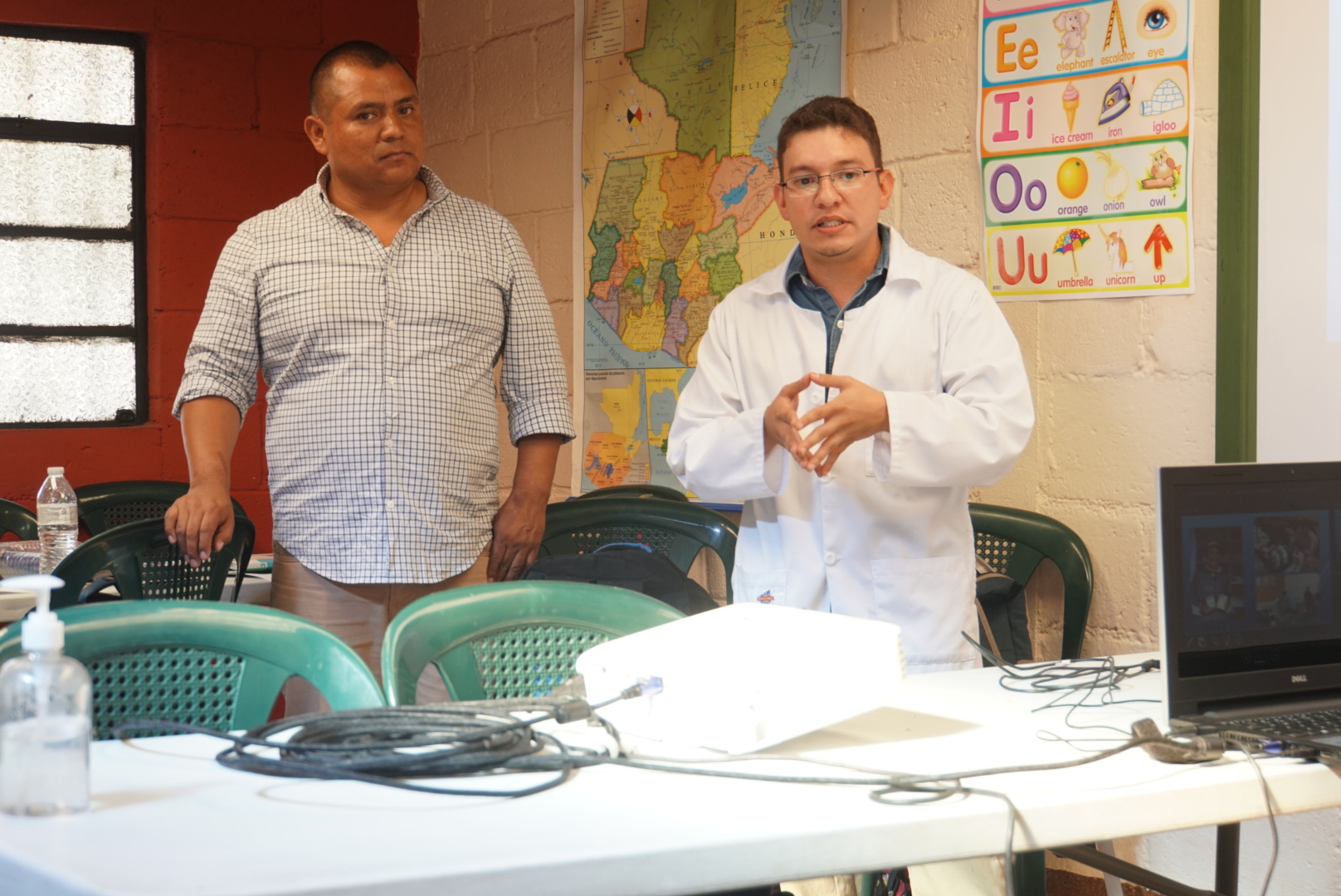
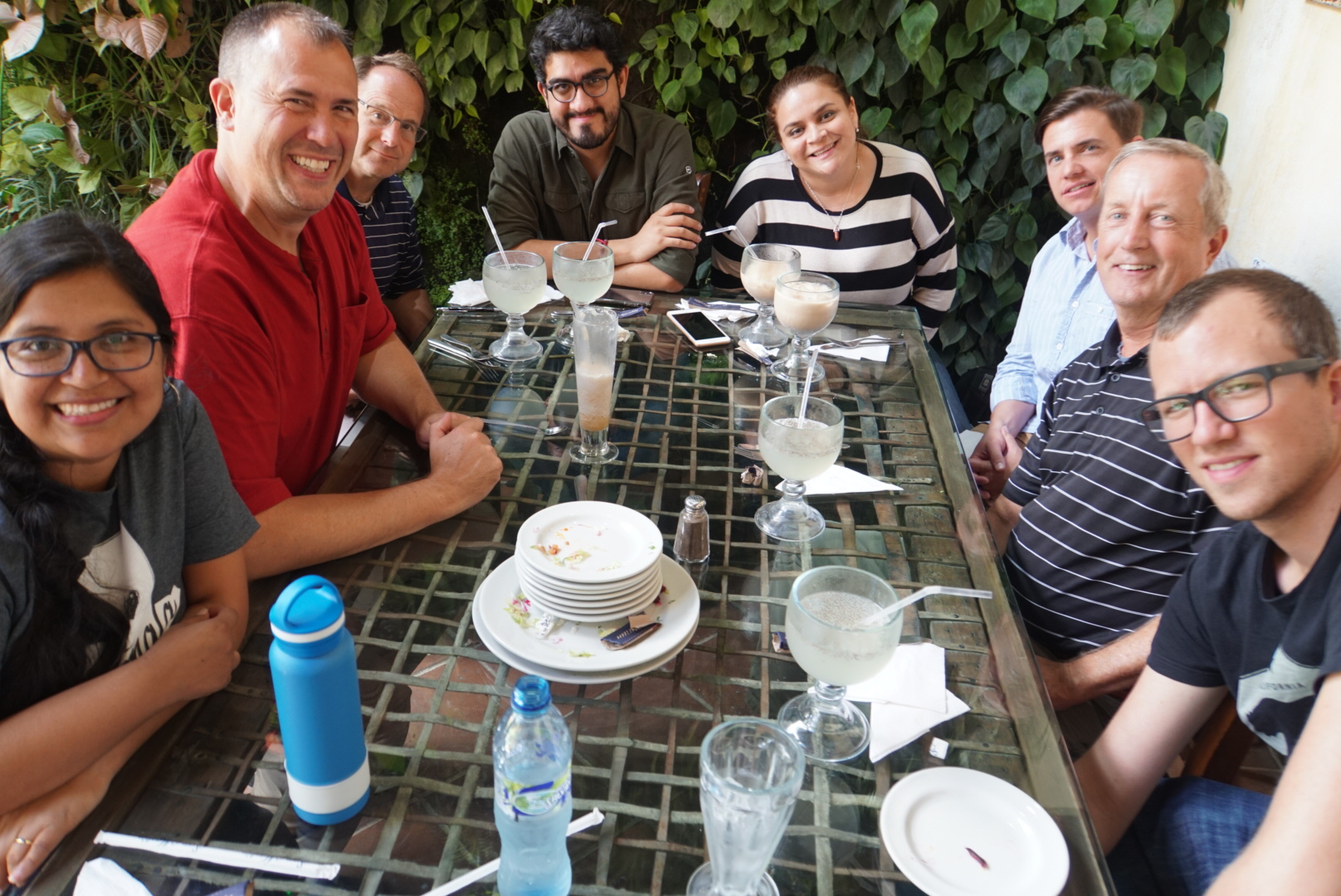
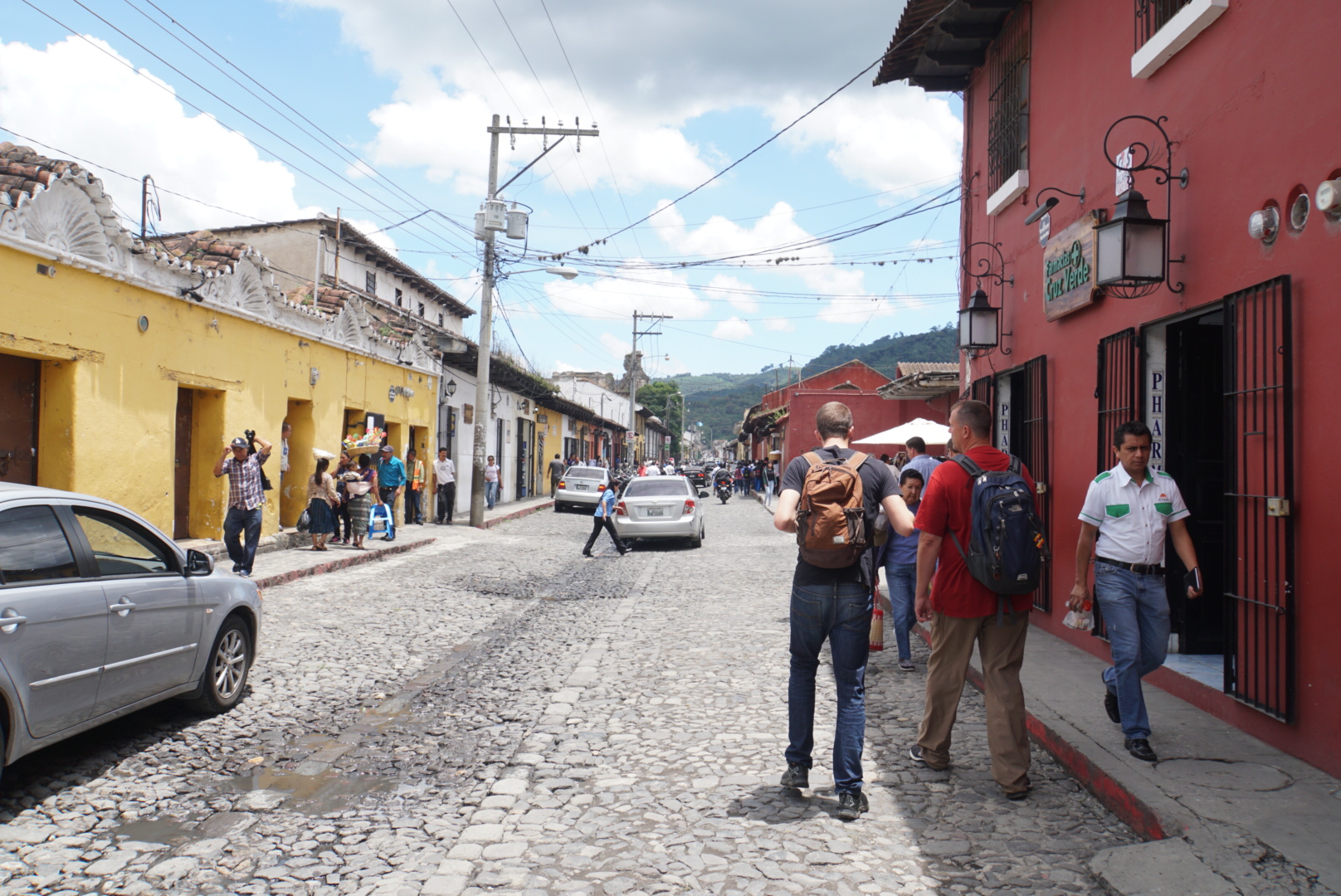
Below are some photos from my trip to Guatemala to look at possible mission site opportunities. We saw three potential Care Points – a school, a drop in children’s ministry, a church with a ministry to area at-risk children, and a community center that serves children through senior adults with education, medical, social, and spiritual care. It’s been an enlightening and inspiring week. Although I’m ready to get back home (bunk beds and long van rides aren’t my idea of pleasure travel), I’ve enjoyed my time here. I’m thankful for the people I’ve met and look forward to seeing how God directs our paths in the future. The needs here are obvious, and some very dedicated people are working for the cause of God’s kingdom in various places of ministry. Enjoy these photos…random shots, straight out of the camera, but capturing at least some of the Guatemala experience.
Do not be afraid of sudden panic, for the Lord will be your confidence. Proverbs 3:25,26
Be strong in the Lord and in the strength of his power. Ephesians 6:10
Guatemala, Day 3: It’s been quite an experience here in Guatemala City and surrounding areas. Yesterday we visited Piedras Vivas (“Living Stones”) Church in Quetzal, Guatemala – about an hour away (through very heavy traffic). The church has a drop-in ministry that engages about 100 children and their families. Pastor Saul and his wife Esabel Chay have such a heart for children. She shared at one time her deep exhaustion and prayer to God at one time during the early stages of their work there. “Why do I care for these children? They’re not mine. I don’t have the energy. I just want to leave.” They had no facility, little help, and more needs than resources. But, she told us, God would not let her leave. They were in her heart and there was no way she could turn her back and walk away from them.
They currently operate a Saturday afternoon children’s program as well as a Sunday morning worship and Sunday School ministry. They teach the children Bible passages, songs and dances, and art. On the day we were there they recited Matthew 19:14 to us in unison, “Entonces Jesús dijo:—Dejen que los niños vengan a mí, y no se lo impidan, porque el reino de los cielos es de quienes son como ellos.” (Jesus said, “Let the little children come to me and do not hinder them, for to such belongs the kingdom of heaven.”)
The tin roof and sides of the 2500 square foot building echoed with their songs and laughter. We took soccer balls, sidewalk chalk, sticker books candy and other gifts for the children. An art context yielded some delightful chalk drawings on the concrete floor of the building.
Both Pastor Saul and Esabel have a huge heart for these children. They are doing a good work for the cause of Jesus’ reign and rule in the hearts of these children. They embody the idea of these verses: Their strength is in the Lord. He is their confidence.
What a lesson for me! As is usually the case, whether it’s a mission trip or a vision trip such as this to see the ministries and opportunities and what God is already doing in places like Piedras Vivas, I come away encouraged, inspired, and a little guilty. More often than not I rely on God’s strength as a backup to mine. I’m probably not alone in that, and pray that we who call Jesus Lord would more often have that as a first resort!






















































 David Bahn - Reflections