David Bahn – Reflections

Light from the Word and through the lens

  • Acts 17:1-9

    Now when they had passed through Amphipolis and Apollonia, they came to Thessalonica, where there was a synagogue of the Jews. And Paul went in, as was his custom, and on three Sabbath days he reasoned with them from the Scriptures,explaining and proving that it was necessary for the Christ to suffer and to rise from the dead, and saying, “This Jesus, whom I proclaim to you, is the Christ.” And some of them were persuaded and joined Paul and Silas, as did a great many of the devout Greeks and not a few of the leading women. But the Jews were jealous, and taking some wicked men of the rabble, they formed a mob, set the city in an uproar, and attacked the house of Jason, seeking to bring them out to the crowd. And when they could not find them, they dragged Jason and some of the brothers before the city authorities, shouting, “These men who have turned the world upside down have come here also, and Jason has received them, and they are all acting against the decrees of Caesar, saying that there is another king, Jesus.” And the people and the city authorities were disturbed when they heard these things. And when they had taken money as security from Jason and the rest, they let them go.

    Hagia Sophia in Istanbul, Turkey: Once a Christian church, then an Islamic mosque, it now serves as a museum, where symbols of both Christianity and Islam may be found
    Hagia Sophia in Istanbul, Turkey: Once a Christian church, then an Islamic mosque, it now serves as a museum, where symbols of both Christianity and Islam may be found

    Here’s a not-so-funny bit of fanciful humor:

    In the middle of a big field, there stood a fence where a group of people were gathered near the opening.
    On one side of the fence stood Jesus who called to the group of people to come be with him. On the other side of the fence stood the devil, also calling to the group of people.
    It wasn’t long before some of the people went through the opening on Jesus’ side…and some of the people went through the fence on the devil’s side.
    One man remained in the middle. He sat upon the fence trying to decide which side he belonged on while the two groups went their separate ways.
    After a time, the devil reappeared, seemingly looking for something.
    Spotting the man sitting on the fence, the devil called to him. The man shook his head and said, “I have not made up my mind yet. I haven’t decided which side of the fence I belong on.”
    To which the devil replied, “Hey, you’ve already made your decision, you see, I OWN the fence.”

    Some of the people to whom Paul spoke on this occasion “were persuaded and joined Paul and Silas…” But others were jealous, aligned themselves with “wicked men of the rabble,” and formed a mob in order to undercut the message of the Gospel.

    I know better, but I still marvel at how anyone could seek to undo the work of God and stand in the way of the Gospel message of Jesus Christ. Jesus’ message is Good News. But some do not see it that way and refuse to embrace the invitation that he offers. Sometimes that is because they don’t want to give up their power, other times it is because they don’t want to bow their knee to Jesus as Lord. Many times, they don’t even know what they are rejecting; so often they reject a caricature of the message of Jesus, and a misunderstanding of his call to repentance and faith.

    But the truth is that Jesus changes everything: including how we deal with our money, how we relate to other people, how we understand the workings of the world, and what we live for. Let’s not be on the fence in regard to Jesus’ call and claim. He has risen from the dead: all glory to him! Because he lives we live a new life – now and throughout all eternity. Thanks be to God!
  • Luke 23:44-49 

    It was now about the sixth hour, and there was darkness over the whole land until the ninth hour, 45 while the sun’s light failed. And the curtain of the temple was torn in two.46 Then Jesus, calling out with a loud voice, said, “Father, into your hands I commit my spirit!” And having said this he breathed his last. 47 Now when the centurion saw what had taken place, he praised God, saying, “Certainly this man was innocent!” 48 And all the crowds that had assembled for this spectacle, when they saw what had taken place, returned home beating their breasts. 49 And all his acquaintances and the women who had followed him from Galilee stood at a distance watching these things.

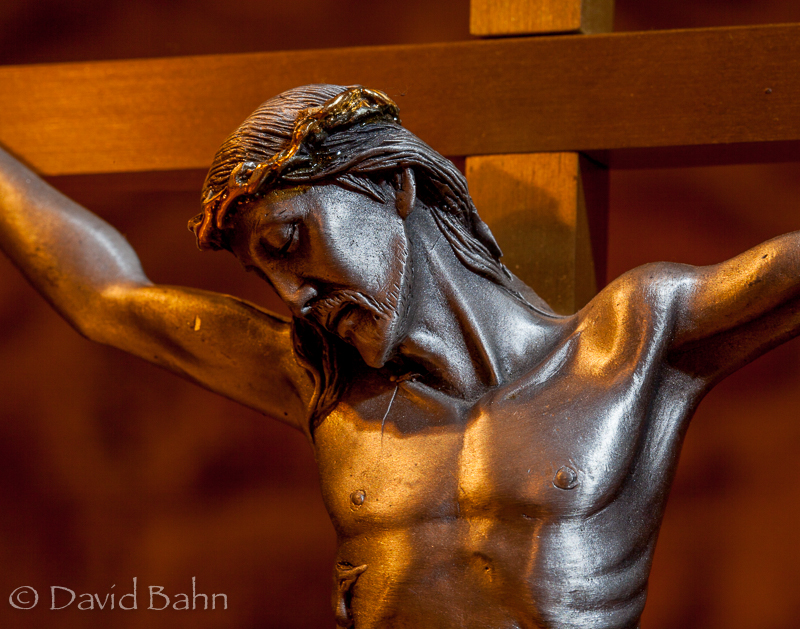
    Closeup of crucifix in the chapel at St. John Lutheran Church, Cypress, Texas
    Closeup of crucifix in the chapel at St. John Lutheran Church, Cypress, Texas

    The headings in the ESV outline the events of Good Friday:

    • Jesus Is Mocked
    • Jesus Before the Council
    • Jesus Before Pilate
    • Jesus Before Herod
    • Pilate Delivers Jesus to Be Crucified
    • The Crucifixion
    • The Death of Jesus
    • Jesus Is Buried

    But the actual death of Jesus as recorded by Luke is accompanied by three different reactions

    • The centurion praised God
    • The crowds turned away in grief
    • Jesus’ acquaintances and the women “stood at a distance watching these things.”

    I understand those who watched from a distance. This is a horrifying event. Crucifixion is a brutal means of execution. Shame is mixed with pain, judgmentalism, cries of anguish, derisive laughter, and painful screams. How does one embrace that? Yet here is their Lord. Here is their rabbi. Here is their friend. Those who know him may not be able to stand right next to him, but they cannot leave.

    I am also struck by the response of the centurion. Historians tell us that Roman soldiers, rather than being repulsed by this ignominious form of torturous execution, actually became so callous that they invented ways of intensifying its pain and horror. At least some got to the point that they took delight in the suffering and shame that they were inflicting on those given to this death. The details of this means of execution testify to what hardened persons those responsible for it carrying out must have been.

    But not so the centurion watching Jesus die. Something in Jesus’ manner, together with what must have been known about the Jewish leaders’ collaboration with the Roman authorities, and Jesus’ teaching come together in his heart. He sees beyond the suffering, shame, and pain. He praises God, declaring Jesus to be innocent. Jesus’ manner of death was certainly different from any others that he had seen.

    The others who came leave – their morbid curiosity having turned to grief. They beat their breasts as a sign of their sorrow and contrition. It is not clear whether this is “godly sorrow, which produces repentance that leads to salvation,” or worldly grief which produces death (cf. 2 Corinthians 7:10). Their actions could be simply a way of saying, “Aw, ain’t it awful how that guy was so mistreated.” And that is neither repentance nor faith.

    Today is Good Friday, the day we recall Jesus’ suffering and death. But we cannot recall that suffering and death apart from the manner in which it touches our lives. We cannot pretend that what happened 2000 years ago has no impact on us today. The question for us might well be whether we stand near Jesus marveling at his innocence, or at a distance watching, or turning our backs in grief at this event. If we stand close by the cross and praise God we are embracing the day as we should. Such praise to God is an act of faith that trusts God to sustain the innocent and reward those who believe in Jesus.

  • Luke 22:7-30

    Then came the day of Unleavened Bread, on which the Passover lamb had to be sacrificed. So Jesus[a] sent Peter and John, saying, “Go and prepare the Passover for us, that we may eat it.” They said to him, “Where will you have us prepare it?” 10 He said to them, “Behold, when you have entered the city, a man carrying a jar of water will meet you. Follow him into the house that he enters 11 and tell the master of the house, ‘The Teacher says to you, Where is the guest room, where I may eat the Passover with my disciples?’ 12 And he will show you a large upper room furnished; prepare it there.” 13 And they went and found it just as he had told them, and they prepared the Passover.

    Institution of the Lord’s Supper

    14 And when the hour came, he reclined at table, and the apostles with him. 15 And he said to them, “I have earnestly desired to eat this Passover with you before I suffer. 16 For I tell you I will not eat it until it is fulfilled in the kingdom of God.” 17 And he took a cup, and when he had given thanks he said, “Take this, and divide it among yourselves. 18 For I tell you that from now on I will not drink of the fruit of the vine until the kingdom of God comes.” 19 And he took bread, and when he had given thanks, he broke it and gave it to them, saying, “This is my body, which is given for you. Do this in remembrance of me.”20 And likewise the cup after they had eaten, saying, “This cup that is poured out for you is the new covenant in my blood. 21 But behold, the hand of him who betrays me is with me on the table. 22 For the Son of Man goes as it has been determined, but woe to that man by whom he is betrayed!” 23 And they began to question one another, which of them it could be who was going to do this.

    Who Is the Greatest?

    24 A dispute also arose among them, as to which of them was to be regarded as the greatest. 25 And he said to them, “The kings of the Gentiles exercise lordship over them, and those in authority over them are called benefactors. 26 But not so with you. Rather, let the greatest among you become as the youngest, and the leader as one who serves.27 For who is the greater, one who reclines at table or one who serves? Is it not the one who reclines at table? But I am among you as the one who serves.

    28 “You are those who have stayed with me in my trials, 29 and I assign to you, as my Father assigned to me, a kingdom, 30 that you may eat and drink at my table in my kingdom and sit on thrones judging the twelve tribes of Israel.

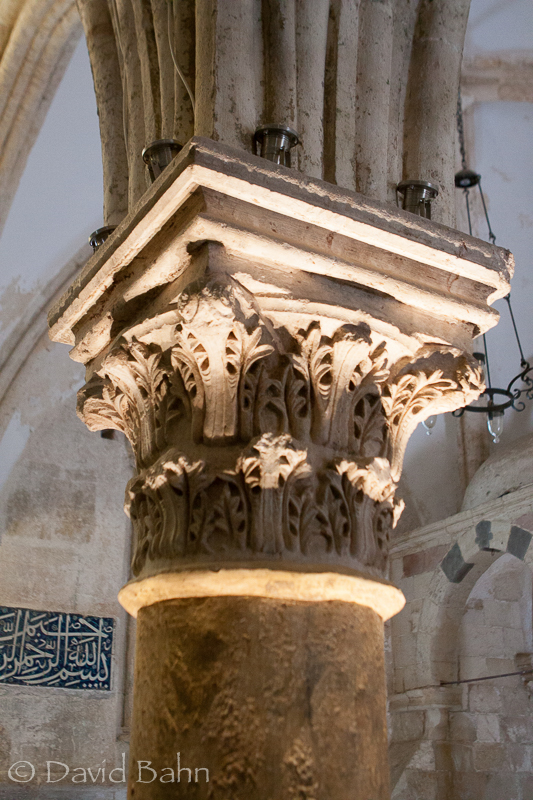
    A pillar in "the upper room" in Jerusalem, this is certainly not the location of Jesus' last supper which would today be twelve feet underground. The site, however, is significant in that it reminds us that Jesus went to a real place and had a real meal with his disciples on the night in which he was betrayed.
    A pillar in “the upper room” in Jerusalem: This is certainly not the location of Jesus’ last supper which would today be twelve feet underground. The site, however, is significant in that it reminds us that Jesus went to a real place and had a real meal with his disciples on the night in which he was betrayed.

    Jesus sends Peter and John to prepare the Passover meal. They do as he says and find it just as he had told them, so they prepare the Passover meal. This would amount to lamb, unleavened bread, wine, bitter herb (horseradish), parsley, salt water, and charoset (a mixture of apples and nuts). Each of these foods had symbolic meanings relating to the experience of the Jews as slaves before Moses led them out of Egypt. This was a remembrance of the great Old Testament deliverance, and a highlight of the Jewish experience.

    Jesus will transform this meal into a remarkable New Covenant experience as he points to the bread and wine, declaring it to be his body and blood that they are eating and drinking, and stating that they are to do this in remembrance of him. But as soon as he institutes this meal, he tells the disciples that one of them would betray him, and their attention is turned from remembering Jesus, and how this celebration is really all about him, to questioning each other about who would do such a terrible thing.

    As if that is not enough, the discussion turns into an argument between these closest followers of Jesus (!) as to who is the greatest. Questions about who is the worst give way to arguments about who is worst! Sigh.
    How is this possible? Such turns and twists of sinful behavior shouldn’t surprise us. We live in the midst of that each day. We who have been redeemed and called to a life of humility and service worry about things as petty as getting cut off in traffic, or someone cutting in front of us in the lunch line. We who have been called to take up our cross and follow Jesus fret when we don’t get our way about where we go to lunch. Sigh.

    The more remarkable thing, however, is that we who so regularly get things so totally wrong are promised an eternity of glory in the presence of the Lord of all creation! And in the case of the apostles, Jesus promises that they will sit at the table with Jesus and on thrones and judge the twelve tribes of Israel! This is beyond remarkable: a group of petty, argumentative, posturing, and fretting men are destined to a glory that they cannot even imagine.

    This is the profound testimony to God’s grace, and clear evidence that we cannot earn our way into God’s favor. He grants is kingdom to any who will follow Jesus. Most often that following has to do with repentance and faith. Sometimes it has to do with obedience. It always has to do with the grace and mercy of God who sent his Son as the One who has served all of humanity by giving his life as a ransom for many. Thank you Jesus!

  • Acts 16:11-15

    So, setting sail from Troas, we made a direct voyage to Samothrace, and the following day to Neapolis, 12 and from there to Philippi, which is a leading city of the[d] district of Macedonia and a Roman colony. We remained in this city some days. 13 And on the Sabbath day we went outside the gate to the riverside, where we supposed there was a place of prayer, and we sat down and spoke to the women who had come together.14 One who heard us was a woman named Lydia, from the city of Thyatira, a seller of purple goods, who was a worshiper of God. The Lord opened her heart to pay attention to what was said by Paul. 15 And after she was baptized, and her household as well, she urged us, saying, “If you have judged me to be faithful to the Lord, come to my house and stay.” And she prevailed upon us.

    Lydia prevailed upon Paul and his companions to stay at her house following her conversion and baptism. It seems to have been an invitation they could not refuse. It was certainly in keeping with Jesus instructions to his disciples to stay wherever they were received during their missionary tour. In this case, Paul and his companions would encounter some significant challenges – including being thrown into jail – while in Philippi with Lydia.

    You can also check out these YouTube videos of the dancers:

    Video of Kenyan Ethnic Dancers

    Video of Kenyan Ethnic Danders-2

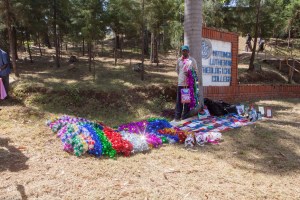
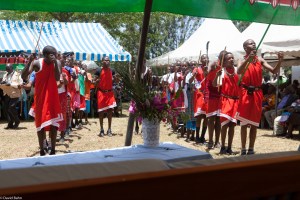
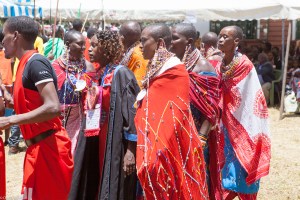
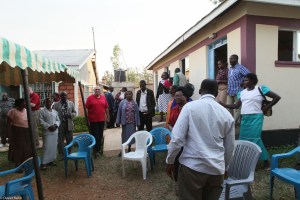
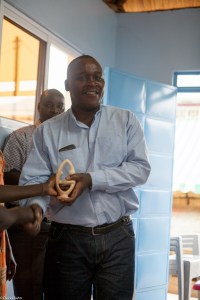
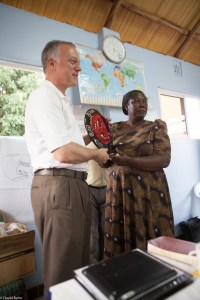
    Our experience on the way back from Oyugis to Kisumu included an invitation for us to attend the graduation at Matongo Lutheran Teachers Training College. That invitation was one we had little choice but to accept since our hosts were also our source of transportation. While there we were treated to speeches from many different representatives, a worship service, and entertainment by three groups, representing the Maasai, Kisii, and Luo tribes of Kenya. That was certainly a cultural experience of a different kind. What we thought was almost a spoof, turned into something much more. It was light-hearted to be sure. And it was certainly not de rigueur; these dances were unusual – somewhat like a German Polish Festival. But they were thoroughly Kenyan and a rich ethnic experience.

    It may have been there that I picked up a slight case of food poisoning. That saga is something about which I will report soon.

  • Acts 16:6-10

    And they went through the region of Phrygia and Galatia, having been forbidden by the Holy Spirit to speak the word in Asia. And when they had come up to Mysia, they attempted to go into Bithynia, but the Spirit of Jesus did not allow them. So, passing by Mysia, they went down to Troas. And a vision appeared to Paul in the night: a man of Macedonia was standing there, urging him and saying, “Come over to Macedonia and help us.” 10 And when Paul had seen the vision, immediately we sought to go on into Macedonia, concluding that God had called us to preach the gospel to them.

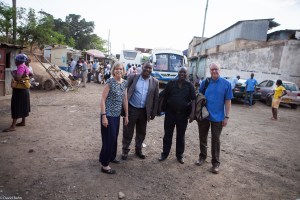
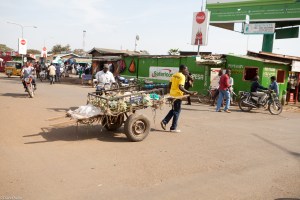
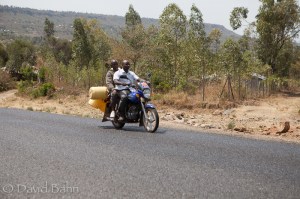
    Our return from Oyugis to Kisumu was not direct. Although Diane and I were not to fly out of Kisumu until 7 p.m., our traveling companions were to catch a bus in Kisumu at 1:30 that afternoon. Lutheran Church Mission in Uganda President Charles Bameka, his colleague Odoo James Okello, and PLI International Director Dr. Scott Rische were to have traveled to Kampala that afternoon. Our hosts, however, had other plans. We were to attend the graduation ceremony at the Matongo Lutheran Teachers Training College. This set into motion a chain of events ranging from authentic ethnic dances and pageantry, to hurried meals (and a case of mild food poisoning), to missed busses, a memorable and humbling visit to our driver’s home, and a late-night border crossing for our Uganda brothers and Dr. Rische. Scott’s words in regard to the border crossing:

    I can’t wait to share about my journey last night. It went well but you will have been glad not to have accompanied me. 🙂 We finally got here to Jinja at 11:30 pm after a bus, walking across the border at night amidst all the trucks, two more taxis (one a van with 20 people in it) and then changing to a smaller taxi. Crazy wild. Too much to write here…

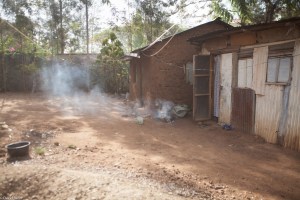
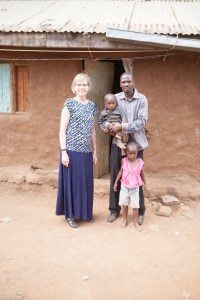
    Diane and I had a quite different experience after we left our friends at the bus station. Peter, our driver, ended up inviting us to his home. Of course we could not refuse and ended up in a two-room mud house in Mamboleo, a town on the outskirts of Kisumu. He introduced us to his two children and his wife (whose name we never really caught). They served us coffee and bread and butter sandwiches. As we sat in their home, we were humbled by their hospitality and prayed for our safety (concerning what we eat and drank) and for their blessing as a family.

    The children in the neighborhood sang a song about Jesus’ love, and we were thankful for the hospitality and friendliness we experienced. I wonder, however, whether I might have been more direct about his and his family’s relationship with Jesus. Perhaps next time I am delayed I will be more aware of how God is offering an opportunity for his message to be proclaimed.

  • Acts 16:6-10

    And they went through the region of Phrygia and Galatia, having been forbidden by the Holy Spirit to speak the word in Asia. And when they had come up to Mysia, they attempted to go into Bithynia, but the Spirit of Jesus did not allow them. So, passing by Mysia, they went down to Troas. And a vision appeared to Paul in the night: a man of Macedonia was standing there, urging him and saying, “Come over to Macedonia and help us.” 10 And when Paul had seen the vision, immediately we sought to go on into Macedonia, concluding that God had called us to preach the gospel to them.

    Our return from Oyugis to Kisumu was not direct. Although Diane and I were not to fly out of Kisumu until 7 p.m., our traveling companions were to catch a bus in Kisumu at 1:30 that afternoon. Lutheran Church Mission in Uganda President Charles Bameka, his colleague Odoo James Okello, and PLI International Director Dr. Scott Rische were to have traveled to Kampala that afternoon. Our hosts, however, had other plans. We were to attend the graduation ceremony at the Matongo Lutheran Teachers Training College. This set into motion a chain of events ranging from authentic ethnic dances and pageantry, to hurried meals (and a case of mild food poisoning), to missed busses, a memorable and humbling visit to our driver’s home, and a late-night border crossing for our Uganda brothers and Dr. Rische. Scott’s words in regard to the border crossing:

    I can’t wait to share about my journey last night. It went well but you will have been glad not to have accompanied me. 🙂 We finally got here to Jinja at 11:30 pm after a bus, walking across the border at night amidst all the trucks, two more taxis (one a van with 20 people in it) and then changing to a smaller taxi. Crazy wild. Too much to write here…

    Diane and I had a quite different experience after we left our friends at the bus station. Peter, our driver ended up inviting us to his home. Of course we could not refuse and ended up in a two-room mud house in Momboleo, a town on the outskirts of Kisumu. He introduced us to his two children and his wife (whose name we never really caught). They served us coffee and bread and butter sandwiches. As we sat in their home, we were humbled by their hospitality and prayed for our safety (concerning what we eat and drank) and for their blessing as a family.

    The children in the neighborhood sang a song about Jesus’ love, and we were thankful for the hospitality and friendliness we experienced. I wonder, however, whether I might have been more direct about his and his family’s relationship with Jesus. Perhaps next time I am delayed I will be more aware of how God is offering an opportunity for his message to be proclaimed.

  • Acts 16:1-5

    Paul[a] came also to Derbe and to Lystra. A disciple was there, named Timothy, the son of a Jewish woman who was a believer, but his father was a Greek. He was well spoken of by the brothers at Lystra and Iconium. Paul wanted Timothy to accompany him, and he took him and circumcised him because of the Jews who were in those places, for they all knew that his father was a Greek. As they went on their way through the cities, they delivered to them for observance the decisions that had been reached by the apostles and elders who were in Jerusalem. So the churches were strengthened in the faith, and they increased in numbers daily.

    PLI International is working in several countries throughout the world – only at the official invitation of the church body in that country. This can bring occasional challenges, but the practice has yielded great blessings and a clarity of mission that Dr. Scott Rische articulates quite well. He sees this as the means by which God leads their efforts as a servant of Christ and his mission. He makes no promises or seeks no special favors in order to bring the missional focus of pastoral leadership to pastors and their wives. When invited by a church body, if possible, they go and teach.

    From Dr. Rische:

    By God’s grace and power and leading, PLI International continues to receive invitations from all over the world to bring leadership training to pastors and their spouses. This video link provides the latest as far as where work is being done by PLII, and where work may possibly be starting in the future. It is a gift and honor to be a part of the work that PLI is doing, and I thank the Lord for the encouragement and direction and blessing being given by Dr. Jock Ficken, PLI Executive Director, and the BOD of PLI!

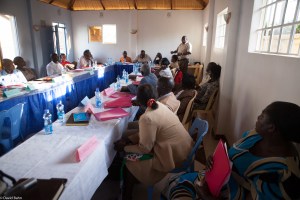
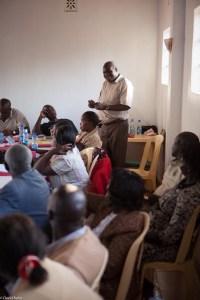
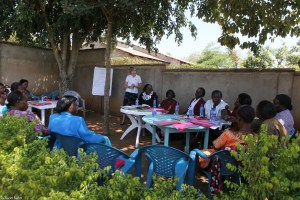
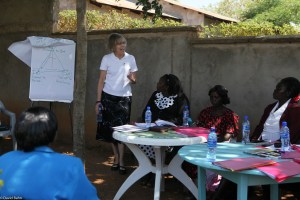
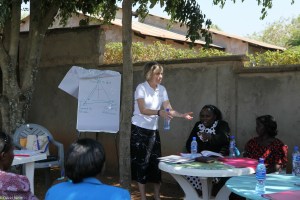
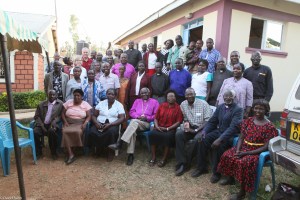
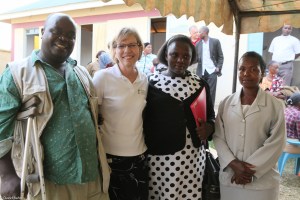
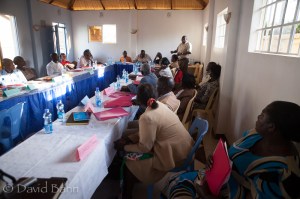
    Key elements of the four year curriculum are “Visionary Leadership, Leading Change, Multiplying Missional Leaders, and Multiplying Missional Movements.” Diane and I were in Oyugis, Kenya for the fourth year conference with the Evangelical Lutheran Church of Kenya. We interacted with 22 pastors and 19 of their spouses for the final year of their program. We were very well received, and even invited back to help the church bring this training to more pastors and their wives and so direct its work more fully on the mission of God.

    It was a great privilege and joy to be part of the PLI International experience in Kenya. The trip was difficult in several ways…from the long hours on an airplane to the challenging conditions in a rural third world setting. But the expressions of great appreciation and the break-throughs we saw – especially with the pastors around issues of authority and servanthood – made the trip very worthwhile. We are thankful to have been part of God’s work there.

  • Acts 15:37-41

    Now Barnabas wanted to take with them John called Mark. 38 But Paul thought best not to take with them one who had withdrawn from them in Pamphylia and had not gone with them to the work. 39 And there arose a sharp disagreement, so that they separated from each other. Barnabas took Mark with him and sailed away to Cyprus, 40 but Paul chose Silas and departed, having been commended by the brothers to the grace of the Lord. 41 And he went through Syria and Cilicia, strengthening the churches.

    There is controversy and division within the Lutheran Church in Kenya. We heard of this from several different leaders and even from those who are in opposition to one another. Without going into details – and that at least in part because I know only the most basic facts of the matter, and that only third hand – the division is so deep that individuals have excluded themselves from one another. Sad to say this is nothing new. Even Paul and Barnabas experienced a rift between the two of themselves that they withdrew from each other and were not partners on this second missionary journey of Paul.

    Ultimately, thankfully, the two were reconciled as is noted the the notes from the Reformation Study Bible:

    Though the remainder of Acts contains no further record of Paul working with Barnabas, Paul mentions Barnabas in a positive light in 1 Cor. 9:6. Paul’s later high regard for Mark is evident in Col. 4:10; Philem. 24; 2 Tim. 4:11.

    I pray that God will bring these divided persons together again under the cross of Jesus Christ in humility, faithfulness, love, and unity in the mission of God. For only under the cross of Jesus Christ are we able to accomplish anything. We are all broken. We are all a mess. We all need God’s grace and forgiveness – sometimes because of willful sins, at other times because of our absolute ineptness at life and love.

    We also experienced a bit of that lack of planning, preparation, and good communication even in getting to the site of the PLI International conference. We thought it was to have been in Nairobi, the capital city into which Diane, Dr. Scott Rische, and I flew. We soon discovered that we would fly to Kisumu. We discovered, once there, that the conference was not to be there, but about 3 hours south in the little town of Oyugis. Even that discovery was somewhat circuitous.

  • Acts 15:36

    And after some days Paul said to Barnabas, “Let us return and visit the brothers in every city where we proclaimed the word of the Lord, and see how they are.”

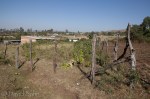
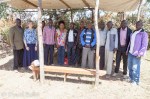
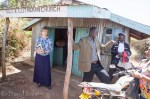
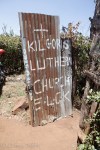
    Diane and I were able to travel from Nairobi through the Rift Valley to Kilgoris, the site of a church where I and other members of St. John had done vision work through Vision for Kenya. Our hope is that this small fledgling group will be able to build a church building in town. The small building pictured in the gallery above is outside of the town and very difficult to get to. They have purchased land and have great dreams of a building there – perhaps beyond their ability to realize. We shared our desire to pray for them, and encouraged them to consider an approach like the building pictured above (with the cows!) which we saw on the way home. If they are able to lay the foundation and build the walls/supports, perhaps we can get a group to travel there to put on the roof.

    The lack of a building is a challenge for a traditional church. But God’s word lives in the hearts of his people. If they lay hold of the dream of building a facility for worship, God can move them step by step toward that goal. Certainly their meager and very humble current circumstances and location would testify to their love for God and desire to honor him. A larger building would allow more people to join them in that praise.

  • Ephesians 1:15-23

    For this reason, ever since I heard about your faith in the Lord Jesus and your love for all God’s people, 16 I have not stopped giving thanks for you,remembering you in my prayers. 17 I keep asking that the God of our Lord Jesus Christ, the glorious Father, may give you the Spirit[f] of wisdom and revelation, so that you may know him better. 18 I pray that the eyes of your heart may be enlightened in order that you may know the hope to which he has called you, the riches of his glorious inheritance in his holy people, 19 and his incomparably great power for us who believe. That power is the same as the mighty strength 20 he exerted when he raised Christ from the dead and seated him at his right hand in the heavenly realms, 21 far above all rule and authority, power and dominion, and every name that is invoked, not only in the present age but also in the one to come. 22 And God placed all things under his feet and appointed him to be head over everything for the church, 23 which is his body, the fullness of him who fills everything in every way.

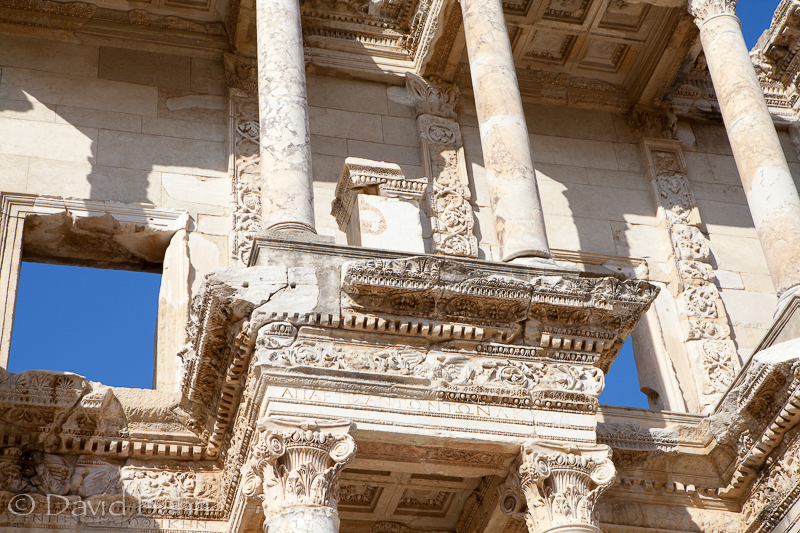
    The exterior of the library at Ephesus
    The exterior of the library at Ephesus

    I recall a moment of great relief when a medical test proved that one of our children did not have a serious disease. I was moved to a deep sense of thanksgiving and praise to God. I recall receiving an unexpected gift of money from an anonymous source, and the great joy that it brought me with praise to God. I recall a moment in worship when I sensed that we were one within that body of believers, and the sincere thankfulness that welled up in my heart. I occasionally remember the time in our life when we would have to think twice or three times about whether or not to buy a $5 bottle of wine, as I enjoy a glass of wine today, and give thanks to God that I can pay $20 for a bottle of wine today with little debate.

    Those momentary flashes of thankfulness are real, sincere, and worthy cause for praise to God. But they are incidental, and not what Paul speaks of here. Paul never stops giving thanks to God. Because he saw God’s work in the lives of the people of Ephesus: their faith in Jesus and their love for one another. Beyond that, however, he prays for their continued connection with Jesus Christ, giving all glory to God.

    It is also remarkable to me that Paul does not encourage them to love one another (though he will certainly speak to that later in this letter). He speaks here, however, of the source of our love for each other. When we embrace the love of God in Christ by faith most fully, we will be moved to love one another. He is the source of our love for each other as well as the inspiration for our love for him.

    That is why all glory goes to God. And Paul’s expression of praise to God is vitally important, even as he prays that these people will know Christ better, and be enlightened as to our hope in Christ.

    I get that, and hope that somehow I can have that same thankful attitude to God for his people whom I serve. I am writhing this for my own personal spiritual edification. But if you’re reading this now, please know I thank God for you and pray that we together may give all glory to him…now and for all eternity!