In 1968 Jerry Snell opened a door in the hallway outside our first hour chemistry class. He invited me into what I discovered was a darkroom. Soon I was on the school newspaper and annual staff as a photographer. Later I learned that Jerry was a Lutheran who was planning to become a pastor. A few years later I was not only a Lutheran, but I was heading off to seminary to become a Lutheran pastor, too. Jerry followed a year later and served as a pastor in Missouri until his untimely heart attack and death. I thank God for Jerry and enjoy photography still today – not to mention rejoicing in having served as a Lutheran pastor in congregations in Utah, Colorado, Arkansas and Texas. I’ve retired now and serve part time as a Congregational Support Specialist for the Texas District of the LCMS. I also provide coaching and leadership training through various PLI cohorts and with individual congregations and organizations.
David Bahn is a follower of Jesus Christ, husband to Diane, father and grandfather. He is an avid amateur photographer. His photo website is “Flowers by God Photos by David” He also publishes a devotional blog DavidBahn-Reflections.com.
He and Diane live in Cypress Texas and enjoy visiting their grandchildren who live in the United States and Germany.
He graduated from Concordia Theological Seminary in 1979, and earned a Doctor of Ministry degree from Fuller Theological Seminary in 1991.
Diane, his wife, is now retired from PLI (PLIleadership.org). They have offered presentations on Marriage and Ministry Partnership, Leadership, Changing Your Congregation’s Culture, and Missional Living. They look are working with PLI International training pastors and wives of the ELVD Diocese of the Lutheran Church of Tanzania.
David’s personal mission statement is “Leading people to realize Jesus’ calling and plans for their lives.”
I have sent my 2021 FBGPBD calendar to the printer. Each month features a photo – mostly flowers, but this year two bird photos as well. I have attached a Bible verse to each of the photos as well. The photos are below the Bible verses.
Calendars will be available by December 6 at St. John Lutheran Church or by contacting me directly. The cost is $20 each with all profits going to the St. John Benevolence Fund.
Deuteronomy 33:27
The eternal God is your dwelling place, and underneath are the everlasting arms. And he thrust out the enemy before you and said, ‘Destroy.’
Psalm 113:4
The Lord is high above all nations, and his glory above the heavens!
Psalm 141:2
Let my prayer be counted as incense before you, and the lifting up of my hands as the evening sacrifice!
Psalm 139:14
I praise you, for I am fearfully and wonderfully made. Wonderful are your works; my soul knows it very well.
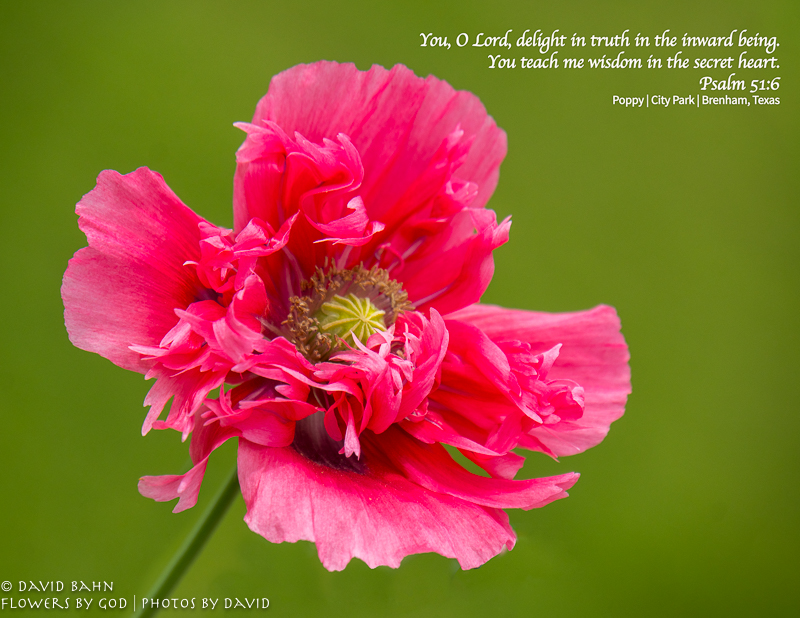
Psalm 51:6
Behold, you delight in truth in the inward being, and you teach me wisdom in the secret heart.
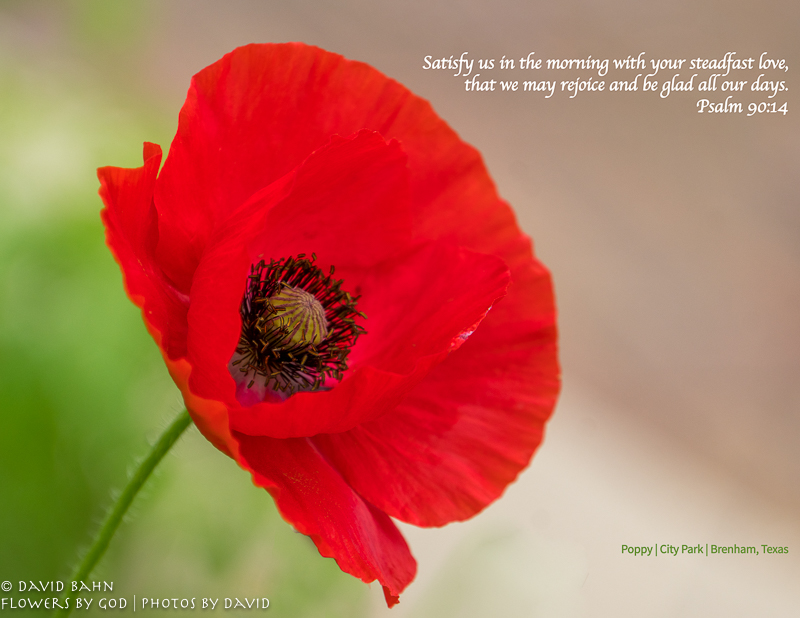
Psalm 90:14
Satisfy us in the morning with your steadfast love, that we may rejoice and be glad all our days.
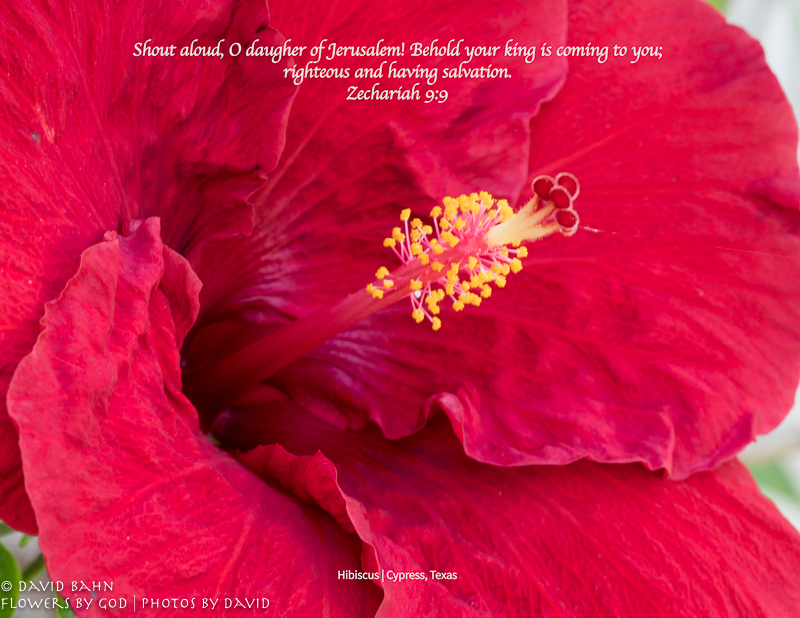
Zechariah 9:9
Rejoice greatly, O daughter of Zion! Shout aloud, O daughter of Jerusalem! Behold, your king is coming to you; righteous and having salvation is he, humble and mounted on a donkey, on a colt, the foal of a donkey.
Isaiah 26:3
You keep him in perfect peace whose mind is stayed on you, because he trusts in you.
John 1:4
In him was life, and the life was the light of men.
Matthew 10:29
Are not two sparrows sold for a penny? And not one of them will fall to the ground apart from your Father.
Job 37:22
Out of the north comes golden splendor; God is clothed with awesome majesty.
PLEASE NOTE: The calendar photos will not have my copyright watermark.
Then Jesus called to the crowd to come and hear. “All of you listen,” he said, “and try to understand.15 It’s not what goes into your body that defiles you; you are defiled by what comes from your heart.”
17 Then Jesus went into a house to get away from the crowd, and his disciples asked him what he meant by the parable he had just used. 18 “Don’t you understand either?” he asked. “Can’t you see that the food you put into your body cannot defile you?19 Food doesn’t go into your heart, but only passes through the stomach and then goes into the sewer.” (By saying this, he declared that every kind of food is acceptable in God’s eyes.)
20 And then he added, “It is what comes from inside that defiles you. 21 For from within, out of a person’s heart, come evil thoughts, sexual immorality, theft, murder,22 adultery, greed, wickedness, deceit, lustful desires, envy, slander, pride, and foolishness.23 All these vile things come from within; they are what defile you.” – Mark 7:14-23
Maybe you’re a fan of Dumb and Dumber, Monty Python, or some other silly comedy. I’m not. I just don’t get humor that is based on silliness. Some of those, moreover, border on profane foolishness. While I don’t consider myself a prude, I just can’t get over the threshold of suspending disbelief or enjoying those kinds of comedy.
While I don’t want to condemn anyone who happens to like those kinds of movies and comedy schtick, I do want to offer a question. Do these not border on foolishness? Profane and godless silliness does not seem to flow from a heart filled with Christ.
Here, however, I must confess: I have my own low thresholds of entertainment. Boston Legal, and Blacklist used to be my go-to entertainment choices. Now it’s British murder mysteries or YouTube videos of men cutting down very large trees and the like.
When the desire for any of these things gets in the way of our devotion to God, however, we need more than to be questioned. We need to be stopped. While things that we eat don’t go to our spiritual hearts, things we watch and think about do go to our minds and souls. They can plant seeds of godlessness and disregard for people. They can supplant love for God, and a view of people as objects for our love.
When we view life as a parade of escapist entertainment options, we endanger our souls. To be bored is certainly not a welcome experience. But it is not the worst thing we can endure. Far worse is when seeds of adultery, greed, wickedness, deceit, lustful desires, envy, slander, pride, and foolishness are planted in our hearts by what we watch, read, and think about.
We are told to think about “whatever is true, whatever is honorable, whatever is just, whatever is pure, whatever is lovely, whatever is commendable, if there is any excellence, if there is anything worthy of praise” (Philippians 4:8). There is a promise for those who do this: “and the God of peace will be with you.”
Then Jesus called to the crowd to come and hear. “All of you listen,” he said, “and try to understand.15 It’s not what goes into your body that defiles you; you are defiled by what comes from your heart.”
17 Then Jesus went into a house to get away from the crowd, and his disciples asked him what he meant by the parable he had just used. 18 “Don’t you understand either?” he asked. “Can’t you see that the food you put into your body cannot defile you?19 Food doesn’t go into your heart, but only passes through the stomach and then goes into the sewer.” (By saying this, he declared that every kind of food is acceptable in God’s eyes.)
20 And then he added, “It is what comes from inside that defiles you. 21 For from within, out of a person’s heart, come evil thoughts, sexual immorality, theft, murder,22 adultery, greed, wickedness, deceit, lustful desires, envy, slander, pride, and foolishness.23 All these vile things come from within; they are what defile you.” – Mark 7:14-23
I drove home this afternoon (I am writing this on the afternoon before the post goes live). Not very remarkable you might well say. Well, yes and no. Yes, because I do it regularly every workday. I think nothing of it. I take for granted that the traffic will move in a relatively orderly manner. I don’t expect my car to break down on the way. I don’t worry about random road blocks or sudden dangers along the way. It’s a pretty unremarkable thing to do.
So will be our dinner tonight. I give little thought to ceremonially clean or unclean. I have never thought that a certain food would render me unclean, or cut me off from God. These Old Testament dietary laws have never been part of my faith understanding or practice.
So when Jesus calls his disciples to jettison their previous ideas about clean and unclean foods, the reason that this is such a big deal is lost on me. Eat the shrimp! Enjoy the bacon. Give it no thought…except the calorie count and fat content!
I don’t know if we could imagine an analogy that would be similar. Maybe, “Don’t worry about what you wear to worship” would be one. But for many that is a non-issue in the first place.
It seems to me that there is nothing today that we think is forbidden or defiling. Eat, drink, think, watch, act however you wish. It’s all alright. No problem here. Nothing to see. Nothing to worry about.
But we miss the point. Jesus, after all, warned us about this. “Try to understand,” he said. If there are evil things issuing from your heart there is a cancer there that needs to be treated. That pretty well includes all of us. We all have evil thoughts, dreams, ideas, and inclinations. Paul reminds us of that struggle.
The sinful nature wants to do evil, which is just the opposite of what the Spirit wants. And the Spirit gives us desires that are the opposite of what the sinful nature desires. These two forces are constantly fighting each other, so you are not free to carry out what you intend to do. – Galatians 5:17
Because the Holy Spirit lives in us, we do no carry out the evil that our hearts may imagine. But because we are still broken and although redeemed still sinful (Jesus even says his disciples are evil!), we sometimes do not do the good we wish we would do (cf. Romans 7:18-25).
Jesus had other things to say as well. “Whoever comes to me, I will in no way cast out” (John 6). “This is my body…this is my blood, given and shed for you for the forgiveness of sins” (Matthew 26). “Your sins are forgiven. Go and sin no more (John 8). Good words from our Good God. And that’s quite remarkable!
Then Jesus called to the crowd to come and hear. “All of you listen,” he said, “and try to understand.15 It’s not what goes into your body that defiles you; you are defiled by what comes from your heart.”
17 Then Jesus went into a house to get away from the crowd, and his disciples asked him what he meant by the parable he had just used.18 “Don’t you understand either?” he asked. “Can’t you see that the food you put into your body cannot defile you?19 Food doesn’t go into your heart, but only passes through the stomach and then goes into the sewer.” (By saying this, he declared that every kind of food is acceptable in God’s eyes.)
20 And then he added, “It is what comes from inside that defiles you. 21 For from within, out of a person’s heart, come evil thoughts, sexual immorality, theft, murder,22 adultery, greed, wickedness, deceit, lustful desires, envy, slander, pride, and foolishness.23 All these vile things come from within; they are what defile you.” – Mark 7:14-23
Savannah Sparrow | Attwater Prairie Chicken NWR | November 2020
I just couldn’t understand high school chemistry. One of my teacher’s favorite lines was a complete disconnect for me: “It’s pretty straightforward to me,” he would say. It was anything but straightforward to me. I simply didn’t get it. My parents even hired a student to tutor me. To no avail. It remained a mystery shrouded in an enigma to me. Not straightforward.
Some things are difficult to comprehend. Sometimes it’s because we just don’t get it for lack of mental capacity. It might be that we don’t apply ourselves. Or it could be that we just don’t want to understand.
I suspect the latter reason is why Jesus made the point, “All you you listen and try to understand.” In other words, this may be difficult because you likely want to think of it differently. You may rather live as though you can hide your motives, camouflage your intentions, and misdirect God’s attention away from your heart’s true state. And if we don’t want to hide our motives we may wish to believe they don’t really matter.
But Jesus calls us to try to understand that our motives really do matter. And it’s not that we can disguise our actions with supposed good motives either. God sees us for who we are – from the outside in. We may wish to paper our walls with protestations of good intent. We might try to justify our failure to do good by claiming to have tried. But God knows both the heart and the hands.
It’s difficult to understand this also because we think of ourselves as basically clean. For that reason we think of being infected by things that come into our bodies – like a virus or germ of some kind. But our trouble is more like a cancer. It grows from within. We can avoid all the viruses and germs we wish, but if the cancer is growing, we’re doomed.
The biggest danger of mere outward righteousness is that it masks the deeper issue of an inner brokenness, trouble, and disease. Seeking to keep ourselves pure by observing religious traditions will never overcome the sin-sickness of our souls. Thankfully Jesus has done that, and poured the Holy Spirit into our hearts. And when the Holy Spirit comes out, life and peace abound (cf. John 7:38).
A selection of verses from five Psalms. On this 22nd of the month, we’ll look at Psalm 22 (a Messianic Psalm – one from which Jesus quoted while on the cross); Psalm 52; 82;112; and 142.
My prayer is that these Psalm verses will remind you of God’s proper place of worship and honor, and help prepare you for worship on this Lord’s Day.
Psalm 22:1-3, 16-18 This Psalm, written 1000 years before Christ sees it fulfillment in Jesus on the cross. Pierced hands and feet, lots cast for his cloak, God forsaken in the truest sense.
My God, my God, why have you forsaken me? Why are you so far from saving me, from the words of my groaning? 2 O my God, I cry by day, but you do not answer, and by night, but I find no rest.
3 Yet you are holy, enthroned on the praises of Israel.
16 My enemies surround me like a pack of dogs; an evil gang closes in on me. They have pierced my hands and feet. 17 I can count all my bones. My enemies stare at me and gloat. 18 They divide my garments among themselves and throw dice for my clothing.
Psalm 52:9 Perfect for Thanksgiving season
I will thank you forever, because you have done it. I will wait for your name, for it is good, in the presence of the godly.
Psalm 82:8
Arise, O God, judge the earth; for you shall inherit all the nations!
Psalm 112:1-2
Praise the Lord! Blessed is the man who fears the Lord, who greatly delights in his commandments! 2 His offspring will be mighty in the land; the generation of the upright will be blessed.
Psalm 142:5
I cry to you, O Lord; I say, “You are my refuge, my portion in the land of the living.”
Now when the Pharisees gathered to him, with some of the scribes who had come from Jerusalem,2 they saw that some of his disciples ate with hands that were defiled, that is, unwashed.3 (For the Pharisees and all the Jews do not eat unless they wash their hands properly, holding to the tradition of the elders,4 and when they come from the marketplace, they do not eat unless they wash. And there are many other traditions that they observe, such as the washing of cups and pots and copper vessels and dining couches.)5 And the Pharisees and the scribes asked him, “Why do your disciples not walk according to the tradition of the elders, but eat with defiled hands?”6 And he said to them, “Well did Isaiah prophesy of you hypocrites, as it is written,
“‘This people honors me with their lips, but their heart is far from me; 7 in vain do they worship me, teaching as doctrines the commandments of men.’
8 You leave the commandment of God and hold to the tradition of men.”
9 And he said to them, “You have a fine way of rejecting the commandment of God in order to establish your tradition!10 For Moses said, ‘Honor your father and your mother’; and, ‘Whoever reviles father or mother must surely die.’11 But you say, ‘If a man tells his father or his mother, “Whatever you would have gained from me is Corban”’ (that is, given to God)—12 then you no longer permit him to do anything for his father or mother,13 thus making void the word of God by your tradition that you have handed down. And many such things you do.” – Mark 7:1-13
I saw it today, personally. The young single mother of a two-month-old came to talk about having her child baptized. She was raised in the church, but turned away as a young teenager. She is now with her atheist boyfriend and worried about what her daughter will be taught – or worse yet be treated – if she were to allow her to be baptized.
It is a sad tale of woe. And it ushered her into my office with many questions about how the Bible views women, how the church relates to children born out of wedlock, and wholesale assumptions about the foundations of the Christian faith.
She has surely gotten her information from places other than a humble reading of God’s word nor from honest, humble Jesus followers. I’m guessing Internet searches, unreligious, agnostic, and atheist friends had helped guide her to this place. There were all kinds of false narratives and some flaky foundations from which she addressed her concerns.
The moment she identified as the turning point was when she asked what might well have been an impertinent question and “they yelled at me.” The question had to do with a tradition – albeit well-founded – that she didn’t understand. Nor did she believe in it. But the problem wasn’t the tradition, it was the manner of the answer. Yelling seldom quiets either a troubled soul or even an impertinent teenager.
So we talked about grace and forgiveness. We spoke of the Old Testament and the New Covenant, about Ceremonial Laws and the way Jesus fulfilled all of them and established a covenant of forgiveness.
The question we’ll need to deal with next time we meet is whether she really wants forgiveness. Too often that’s the rub with those outside the faith. People don’t naturally want to confess their sins. We’d rather determine for ourselves what is good and evil.
That is where the word of God comes in. Jesus speaks of the word of God as something not to be set aside – either for religious or self-serving reasons. We dare not set aside God’s word in an attempt to find peace. Nor dare we let traditions get in the way of people who need desperately to hear the truth and grace of Jesus.
The final paragraph of my post today had a significant error. A commitment to the truth of God’s word is a worthy tradition. Passing worldly mores never provide sound guidance. Here is the corrected paragraph:
Whether it’s the Black Lives Matter or Back the Blue, The Lutheran Church–Missouri Synod, or the Roman Catholic Church, we all have our failures and foibles, our sins and iniquities. We all need the forgiveness of Jesus. “There is no one righteous. No not one” (Romans 3:10). Self-righteousness never befits a follower of Jesus. Nor does a commitment to passing worldly mores rather than to God’s word to determine what is good or evil. The traditions we should all follow are to listen with humility to Jesus’ word, to refuse to look for loopholes, to live in humility and love toward God and neighbor, and to rejoice in Jesus’ goodness and grace.
Now when the Pharisees gathered to him, with some of the scribes who had come from Jerusalem,2 they saw that some of his disciples ate with hands that were defiled, that is, unwashed.3 (For the Pharisees and all the Jews do not eat unless they wash their hands properly, holding to the tradition of the elders,4 and when they come from the marketplace, they do not eat unless they wash. And there are many other traditions that they observe, such as the washing of cups and pots and copper vessels and dining couches.)5 And the Pharisees and the scribes asked him, “Why do your disciples not walk according to the tradition of the elders, but eat with defiled hands?”6 And he said to them, “Well did Isaiah prophesy of you hypocrites, as it is written,
“‘This people honors me with their lips, but their heart is far from me; 7 in vain do they worship me, teaching as doctrines the commandments of men.’
8 You leave the commandment of God and hold to the tradition of men.”
9 And he said to them, “You have a fine way of rejecting the commandment of God in order to establish your tradition!10 For Moses said, ‘Honor your father and your mother’; and, ‘Whoever reviles father or mother must surely die.’11 But you say, ‘If a man tells his father or his mother, “Whatever you would have gained from me is Corban”’ (that is, given to God)—12 then you no longer permit him to do anything for his father or mother,13 thus making void the word of God by your tradition that you have handed down. And many such things you do.” – Mark 7:1-13
Silly and irreverent, but at least he was honest. W.C. Fields was not known for being a religious man. According to one account of Fields’ life, “No man ever worked so patiently at wrecking his soul and body as did this prince of comedians. A Mississippi of gin sluiced through him in his declining years. But toward the end of his life he was discovered in his garden with a Holy Bible and a martini. His nephew asked, “What are you doing?” Fields is famously to have answered, “Looking for loopholes.” He didn’t want to give up his wayward ways for the sake of God or religion of any sort.
It’s sad that some of the most religious people in Jesus’ day and even today, spend so much energy looking for loopholes. The Pharisees found ways to overlook and reject the Word of God in order to establish their traditions. That’s easy to see when Jesus calls them out for not caring for their parents because that which could have provided for their good was devoted to God.
Too often we see people justifying abhorrent behavior by claiming that God is loving to all, and saying we must not judge. On the other hand, we hear vicious words of judgment against those who truly do need forgiveness, spoken by those who would never think to admit that they, too, need forgiveness for their very real sins.
Whether it’s the Black Lives Matter or Back the Blue, The Lutheran Church–Missouri Synod, or the Roman Catholic Church, we all have our failures and foibles, our sins and iniquities. We all need the forgiveness of Jesus. “There is no one righteous. No not one” (Romans 3:10). Self-righteousness never befits a follower of Jesus. Nor does a commitment to passing worldly mores rather than to God’s word to determine what is good or evil. The traditions we should all follow are to listen with humility to Jesus’ word, to refuse to look for loopholes, to live in humility and love toward God and neighbor, and to rejoice in Jesus’ goodness and grace.
Now when the Pharisees gathered to him, with some of the scribes who had come from Jerusalem,2 they saw that some of his disciples ate with hands that were defiled, that is, unwashed.3 (For the Pharisees and all the Jews do not eat unless they wash their hands properly, holding to the tradition of the elders,4 and when they come from the marketplace, they do not eat unless they wash. And there are many other traditions that they observe, such as the washing of cups and pots and copper vessels and dining couches.)5 And the Pharisees and the scribes asked him, “Why do your disciples not walk according to the tradition of the elders, but eat with defiled hands?”6 And he said to them, “Well did Isaiah prophesy of you hypocrites, as it is written,
“‘This people honors me with their lips, but their heart is far from me; 7 in vain do they worship me, teaching as doctrines the commandments of men.’
8 You leave the commandment of God and hold to the tradition of men.”
9 And he said to them, “You have a fine way of rejecting the commandment of God in order to establish your tradition!10 For Moses said, ‘Honor your father and your mother’; and, ‘Whoever reviles father or mother must surely die.’11 But you say, ‘If a man tells his father or his mother, “Whatever you would have gained from me is Corban”’ (that is, given to God)—12 then you no longer permit him to do anything for his father or mother,13 thus making void the word of God by your tradition that you have handed down. And many such things you do.” – Mark 7:1-13
Are you a traditionalist? Do you relish the old, the tried and true? Or are you an innovator? Do you like new? I love both the old and new. In fact Jesus says that those who have been trained for the kingdom of God are like householders who bring from their treasury things old and new (cf. Matthew 13:52). Maybe you’ve heard the song, “Make new friends, and keep the old. One is silver and the other gold.” Old and new. Tradition and innovation. Both have their place in the Kingdom of God.
A former member of a church I served many years ago has joined a Roman Catholic Church that uses (once again) the Latin Mass. That group believes the Latin Mass to be the ultimate expression of the true faith and proper worship. That is not what Jesus calls for. Jesus speaks of worshiping in spirit and truth. The New Testament was written in common (koiné) Greek; the language of the common people of his day.
There is one occasion when a traditionalistic approach to religion proved to be an opportunity to witness to the Christian faith. Diane and I were in Beijing with another pastor and his wife. We had visited a Roman Catholic church that Sunday morning, together with our guide. They chose that morning to recite the Nicene creed in Latin.
So that the Chinese people in attendance could join in that act, they transposed the sounds of the Latin words into Chinese characters! Our guide turned to me and said, “This makes no sense to me.” Indeed it did not.
As we headed from the church to the airport my friend and I translated the Latin Creed into English, using normal English words and the English alphabet. He understood English, so we were confident that we would be able to provide a fairly clear expression of the Christian faith for him to ponder.
And so we did. But how silly! Using the sounds of the Chinese characters to make the sounds of Latin phrases! Gibberish. Jesus is not about gibberish. Jesus is about truth, clarity, life, and grace. Let’s make that perfectly clear and never allow our traditions to get in the way of sharing that grace and truth clearly.
Now when the Pharisees gathered to him, with some of the scribes who had come from Jerusalem,2 they saw that some of his disciples ate with hands that were defiled, that is, unwashed.3 (For the Pharisees and all the Jews do not eat unless they wash their hands properly, holding to the tradition of the elders,4 and when they come from the marketplace, they do not eat unless they wash. And there are many other traditions that they observe, such as the washing of cups and pots and copper vessels and dining couches.)5 And the Pharisees and the scribes asked him, “Why do your disciples not walk according to the tradition of the elders, but eat with defiled hands?”6 And he said to them, “Well did Isaiah prophesy of you hypocrites, as it is written,
“‘This people honors me with their lips, but their heart is far from me; 7 in vain do they worship me, teaching as doctrines the commandments of men.’
8 You leave the commandment of God and hold to the tradition of men.”
9 And he said to them, “You have a fine way of rejecting the commandment of God in order to establish your tradition!10 For Moses said, ‘Honor your father and your mother’; and, ‘Whoever reviles father or mother must surely die.’11 But you say, ‘If a man tells his father or his mother, “Whatever you would have gained from me is Corban”’ (that is, given to God)—12 then you no longer permit him to do anything for his father or mother,13 thus making void the word of God by your tradition that you have handed down. And many such things you do.” – Mark 7:1-13
I don’t like being judged…at least if I’m being judged and condemned in the judgment. You probably don’t either. A group within our photo club, do want to be judged; possibly more harshly than I would wish. They have expressed a desire for some more robust feedback on the photos that are being offered at our club competitions. They don’t feel that an overabundance of generalities and niceties is really very helpful for those who wish to advance their photographic skills and artistic endeavors. Thankfully, they do not want to condemn anyone, but they do wish for a more robust conversation that will bring constructive criticism to bear on club members who enter photos in the competitions.
The Pharisees had no desire for constructive criticism. Neither is there any danger on their part of providing Jesus with an overabundance of generalities and niceties! They want to discredit Jesus. They want to demean his disciples. They had no good will toward Jesus and his followers. They were threatened by Jesus, afraid of the implications of his teachings (a different way of saying they were threatened), or just plain opposed to God and his ways.
In any case they found a reason to criticize and discredit in their eyes because the disciples did not follow the strict ceremonial washing rubric they championed. They were uber-religious afterall. They did all they could do to show how righteous they were. They did all they could to upstage others in their superior brand of religion. And because Jesus was gaining a following and upstaging them, they pounced on this hand washing faux pas.
We’re not talking about disease prevention here. We’re talking about keeping up appearances. We’re talking about outward obedience. But you can hate your neighbor in your heart and still smile at him when you leave for work on Monday morning. You can harbor resentment against your husband while you make him pancakes at breakfast.
Jesus never wants to pit the two against one another. He desires truth in the inward being, and kindness in outward behavior. He wants humility of spirit and love in action.
So when the Pharisees try to take Jesus to task about his disciples lax approach to their unclean practices, he turns the tables on them. He points out that they’ve got it all wrong. They’ve substituted the rules of man for the Law of God. Never a good idea. He tells them that they had nullified the word of God which they so valued. I wonder if he would ever need to say that to me? Or you? Or your best friend?
















 David Bahn - Reflections