

Click here for an audio version of this blog post.
These devotions are part of the Follow the Word Bible reading program at St. John Lutheran Church in Cypress, Texas. This year we are reading through the Scriptures together, listening for how God speaks through his Word day by day. I hope you will join me on this journey.
Today’s readings are Numbers 28-30, Psalm 75.
Numbers 28:1-8
The Lord spoke to Moses, saying, 2 “Command the people of Israel and say to them, ‘My offering, my food for my food offerings, my pleasing aroma, you shall be careful to offer to me at its appointed time.’ 3 And you shall say to them, This is the food offering that you shall offer to the Lord: two male lambs a year old without blemish, day by day, as a regular offering. 4 The one lamb you shall offer in the morning, and the other lamb you shall offer at twilight; 5 also a tenth of an ephah of fine flour for a grain offering, mixed with a quarter of a hin of beaten oil. 6 It is a regular burnt offering, which was ordained at Mount Sinai for a pleasing aroma, a food offering to the Lord. 7 Its drink offering shall be a quarter of a hin for each lamb. In the Holy Place you shall pour out a drink offering of strong drink to the Lord. 8 The other lamb you shall offer at twilight. Like the grain offering of the morning, and like its drink offering, you shall offer it as a food offering, with a pleasing aroma to the Lord.
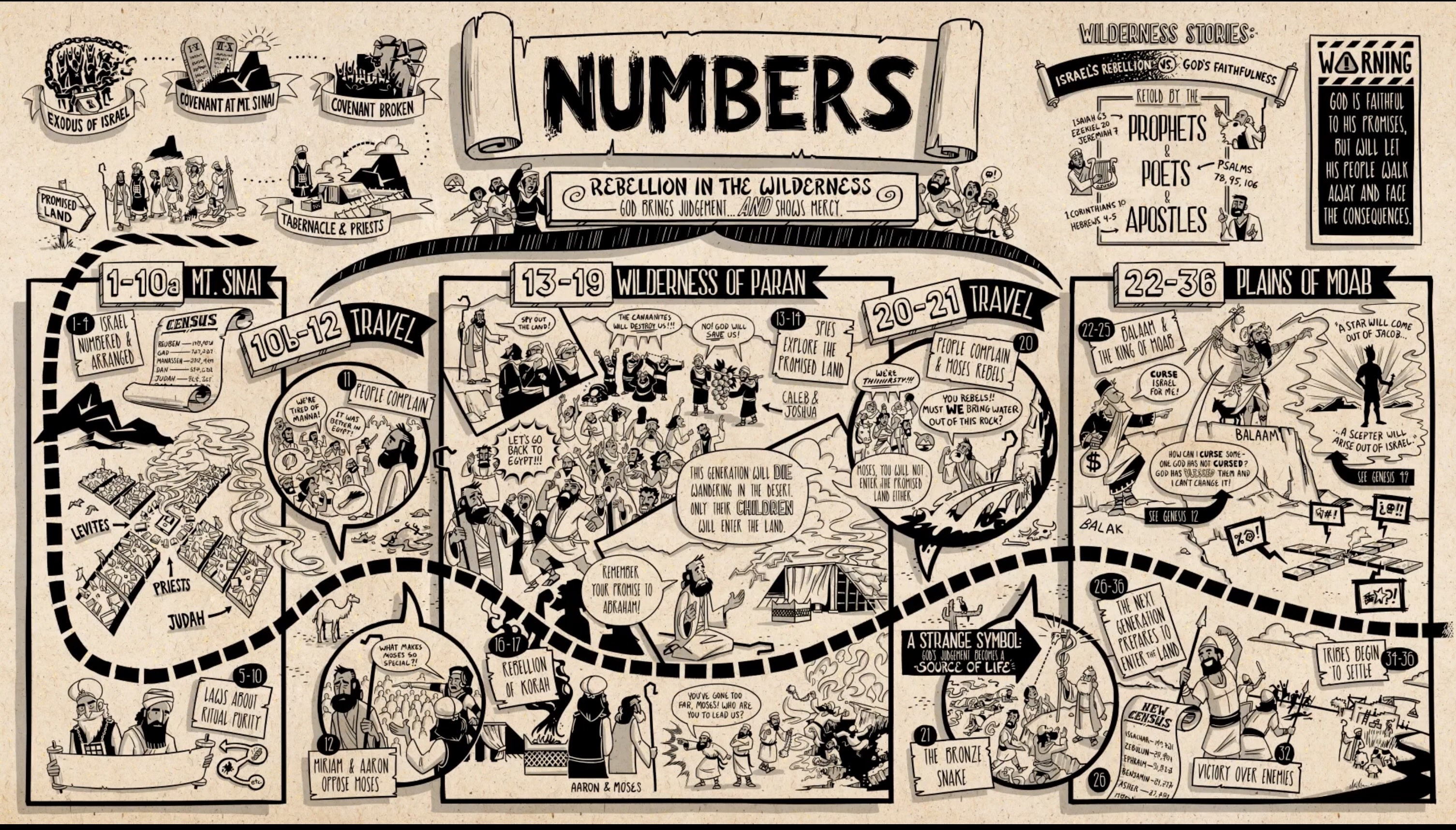
Numbers 28–30 establishes a structured pattern of worship for Israel — daily, weekly, monthly, and yearly offerings — reminding the people that their relationship with God touched every part of their calendar and life.
There were Daily offerings
- Two lambs every day — one in the morning and one in the evening
- Offered with grain and drink offerings
Weekly offering (Sabbath)
- Two additional lambs offered on the Sabbath
Monthly offering (New Moon)
- Bulls, a ram, lambs, grain offerings, and a goat for a sin offering
Festival offerings
- Passover and the Feast of Unleavened Bread
- Feast of Weeks (Pentecost)
- Feast of Trumpets
- Day of Atonement
- Feast of Tabernacles
In the biblical system:
- sacrifice comes from God’s command
- it is limited and regulated
- it ultimately points beyond itself
The New Testament interprets the entire system as preparing for Christ. Hebrews says: “It is impossible for the blood of bulls and goats to take away sins” (Hebrews 10:4).
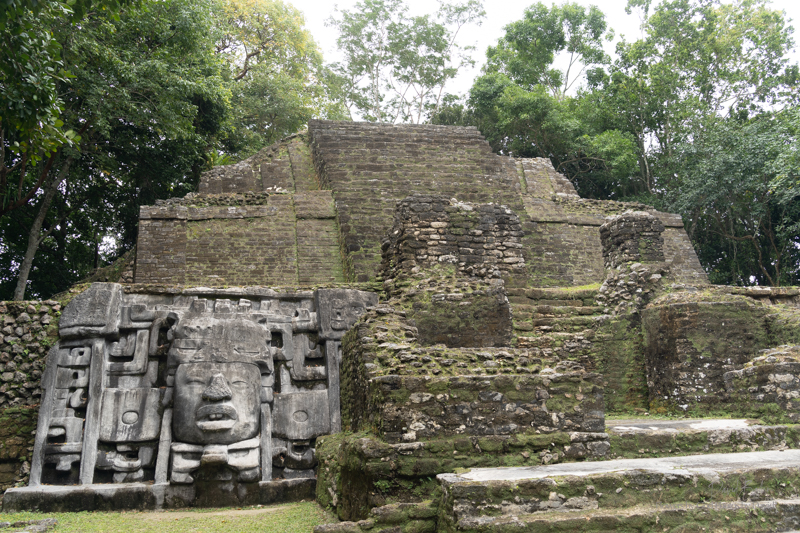
The Lamanai Archeological Site pictured above was also a place of sacrifice for the Mayan people. But the sacrifices differed in one major way: they were made to feed their gods, to sustain them and the cosmos. The sacrifices outlined in these chapters were not meant to sustain God, but to maintain the covenant relationship between God and his people. They reminded Israel again and again that sin is serious, that forgiveness requires sacrifice, and that life with God touches every day of life.
But even these sacrifices were never the final answer. They pointed forward to something greater. As the writer to the Hebrews reminds us, “It is impossible for the blood of bulls and goats to take away sins.” The endless rhythm of offerings — morning and evening, Sabbath and festival — prepared God’s people for the day when one perfect sacrifice would finally be offered.
That sacrifice was Jesus. He did not come to offer another lamb, but to be the Lamb of God who takes away the sin of the world. And because of his once-for-all sacrifice, we no longer bring bulls and goats to the altar. Instead, we live every day — morning and evening, week by week, season by season — in gratitude and faith toward the One who has done what no sacrifice before him could ever accomplish.
 David Bahn - Reflections
Leave a comment