Luke 23:44-49
It was now about the sixth hour, and there was darkness over the whole land until the ninth hour, 45 while the sun’s light failed. And the curtain of the temple was torn in two.46 Then Jesus, calling out with a loud voice, said, “Father, into your hands I commit my spirit!” And having said this he breathed his last. 47 Now when the centurion saw what had taken place, he praised God, saying, “Certainly this man was innocent!” 48 And all the crowds that had assembled for this spectacle, when they saw what had taken place, returned home beating their breasts. 49 And all his acquaintances and the women who had followed him from Galilee stood at a distance watching these things.
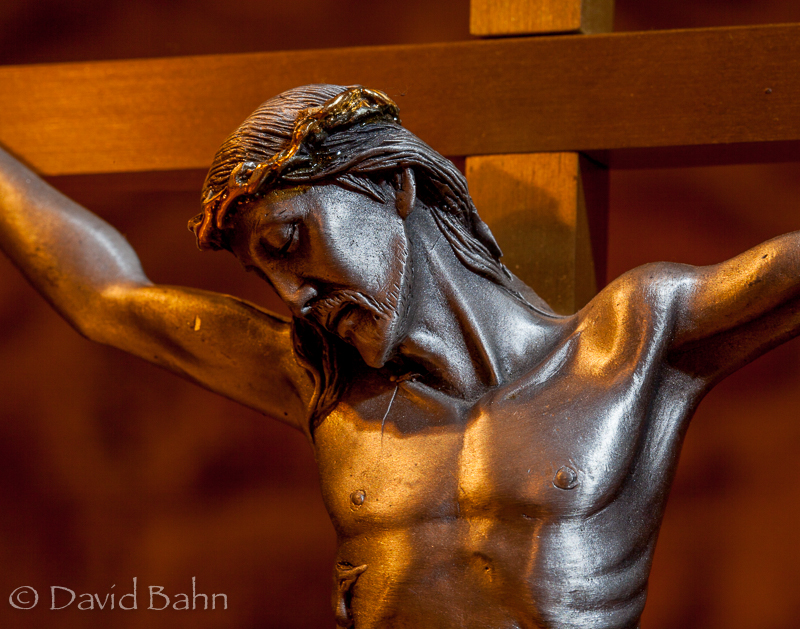
The headings in the ESV outline the events of Good Friday:
- Jesus Is Mocked
- Jesus Before the Council
- Jesus Before Pilate
- Jesus Before Herod
- Pilate Delivers Jesus to Be Crucified
- The Crucifixion
- The Death of Jesus
- Jesus Is Buried
But the actual death of Jesus as recorded by Luke is accompanied by three different reactions
- The centurion praised God
- The crowds turned away in grief
- Jesus’ acquaintances and the women “stood at a distance watching these things.”
I understand those who watched from a distance. This is a horrifying event. Crucifixion is a brutal means of execution. Shame is mixed with pain, judgmentalism, cries of anguish, derisive laughter, and painful screams. How does one embrace that? Yet here is their Lord. Here is their rabbi. Here is their friend. Those who know him may not be able to stand right next to him, but they cannot leave.
I am also struck by the response of the centurion. Historians tell us that Roman soldiers, rather than being repulsed by this ignominious form of torturous execution, actually became so callous that they invented ways of intensifying its pain and horror. At least some got to the point that they took delight in the suffering and shame that they were inflicting on those given to this death. The details of this means of execution testify to what hardened persons those responsible for it carrying out must have been.
But not so the centurion watching Jesus die. Something in Jesus’ manner, together with what must have been known about the Jewish leaders’ collaboration with the Roman authorities, and Jesus’ teaching come together in his heart. He sees beyond the suffering, shame, and pain. He praises God, declaring Jesus to be innocent. Jesus’ manner of death was certainly different from any others that he had seen.
The others who came leave – their morbid curiosity having turned to grief. They beat their breasts as a sign of their sorrow and contrition. It is not clear whether this is “godly sorrow, which produces repentance that leads to salvation,” or worldly grief which produces death (cf. 2 Corinthians 7:10). Their actions could be simply a way of saying, “Aw, ain’t it awful how that guy was so mistreated.” And that is neither repentance nor faith.
Today is Good Friday, the day we recall Jesus’ suffering and death. But we cannot recall that suffering and death apart from the manner in which it touches our lives. We cannot pretend that what happened 2000 years ago has no impact on us today. The question for us might well be whether we stand near Jesus marveling at his innocence, or at a distance watching, or turning our backs in grief at this event. If we stand close by the cross and praise God we are embracing the day as we should. Such praise to God is an act of faith that trusts God to sustain the innocent and reward those who believe in Jesus.
 David Bahn - Reflections
Leave a comment