John 15:1-11
“I am the true vine, and my Father is the vinedresser. 2 Every branch in me that does not bear fruit he [lifts up], and every branch that does bear fruit he prunes, that it may bear more fruit. 3 Already you are clean because of the word that I have spoken to you. 4 Abide in me, and I in you. As the branch cannot bear fruit by itself, unless it abides in the vine, neither can you, unless you abide in me. 5 I am the vine; you are the branches. Whoever abides in me and I in him, he it is that bears much fruit, for apart from me you can do nothing. 6 If anyone does not abide in me he is thrown away like a branch and withers; and the branches are gathered, thrown into the fire, and burned. 7 If you abide in me, and my words abide in you, ask whatever you wish, and it will be done for you. 8 By this my Father is glorified, that you bear much fruit and so prove to be my disciples. 9 As the Father has loved me, so have I loved you. Abide in my love. 10 If you keep my commandments, you will abide in my love, just as I have kept my Father’s commandments and abide in his love. 11 These things I have spoken to you, that my joy may be in you, and that your joy may be full.
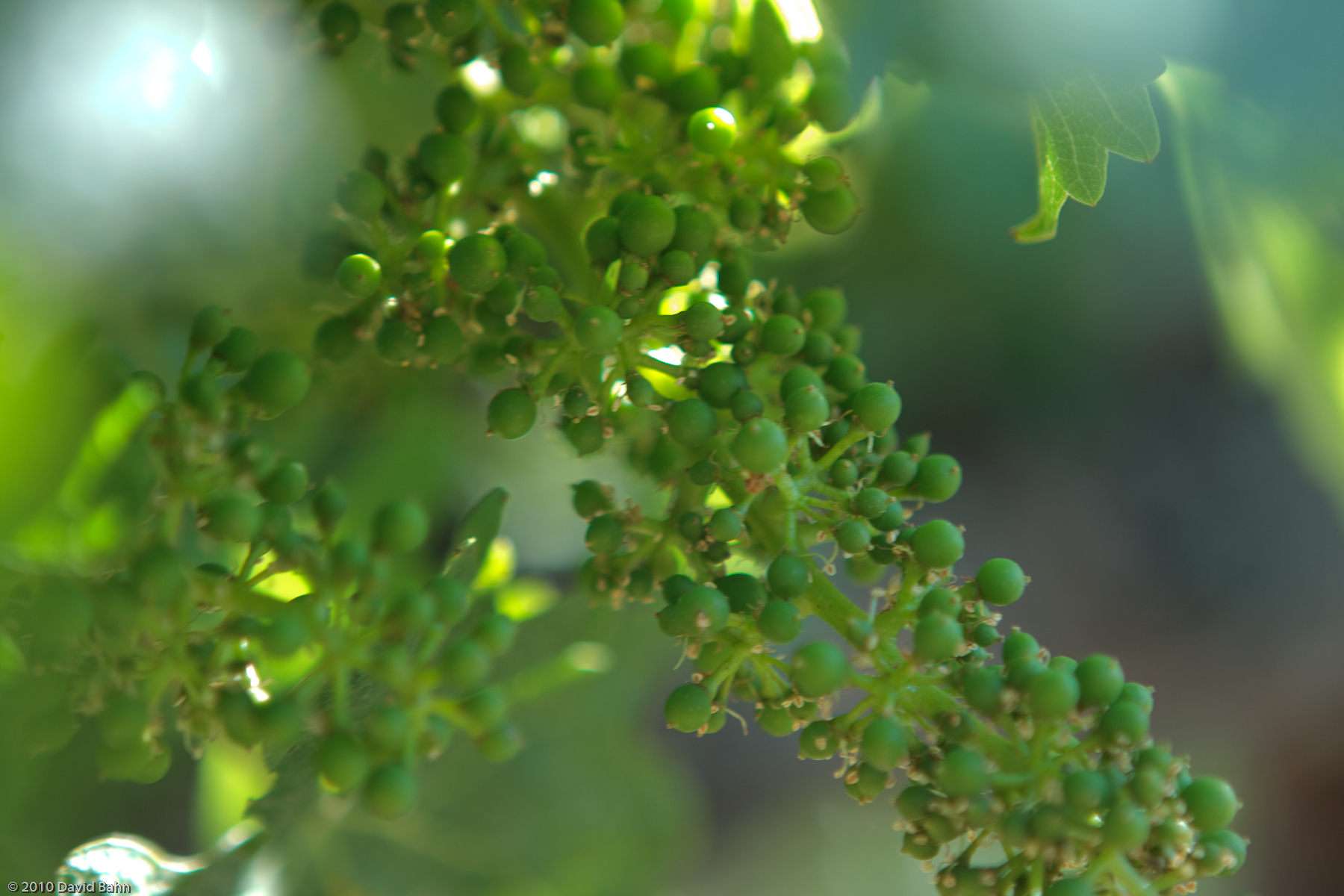
In his book, Good to Great, Jim Collins observes that “good is the enemy of great.” If we’re constantly satisfied with “good enough,” we’ll never get to great. Sometimes we have to set aside the good in order to attain that which is great. Sometimes that is letting go of something we like in order to attain something better. Sometimes it is embracing a time of rest so that we may be more productive in the times of future fruitfulness.
Sometimes we also need to be pruned in order that we do not take on too much attempted fruitfulness. If our schedules are filled with one thing after another, one project on top of another, and one meeting after another, we will not be as fruitful in the long-run as we would be if we focused our efforts on the most truly important. If we are constantly being led from one fire to another by the tyranny of the urgent, we will soon burn out ourselves. If, however, we lop off the unessential projects, meetings, and distractions, our margins become wider and there is more opportunity to bear fruit that will last.
We may not like the idea of being pruned. We may associate it with a painful lesson or a stressful experience. In reality, pruning is done to relieve stress. It may be a challenge to allow yourself to be pruned, but that is a self-imposed challenge. Many times pruning can be self-administered by simply looking at your schedule to consider what is truly important and essential to your walk with Jesus, then letting go of those things that are not essential to your life as his follower.
In his book, Secrets of the Vine, Bruce Wilkerson observes that there are four kinds of fruitfulness described by Jesus. Each brings a different response by the vine dresser. They are:
- No Fruit (v. 2) – He lifts those branches up which are connected to the vine and yet are not bearing fruit.
- Some Fruit (v.2) – He prunes those branches which are bearing fruit so that they don’t over-burden themselves in excessive growth.
- More Fruit (v. 2) – That is the subject for tomorrow
- Much Fruit (v. 5,8) – This we will deal with the day after tomorrow.
Abiding Time is an invitation. Jesus invites his followers to “abide” in him (John 15). This is an invitation to connect deeply with his love, grace, goodness, truth, and calling. This is not a law. This is not an imposition of a rule or commandment that we must keep. Abiding Time is a calling to give attention to God’s word, to be fed on his word and sacraments. Abiding Time is an invitation to draw near to God, to refresh ourselves and receive the nurture of God, leaning into him, his word and promise, in anticipation of a season of fruitfulness.
 David Bahn - Reflections
Leave a comment