Matthew 9:14-15
14Then the disciples of John came to him, saying, “Why do we and the Pharisees fast, but your disciples do not fast?” 15And Jesus said to them, “Can the wedding guests mourn as long as the bridegroom is with them? The days will come when the bridegroom is taken away from them, and then they will fast.”
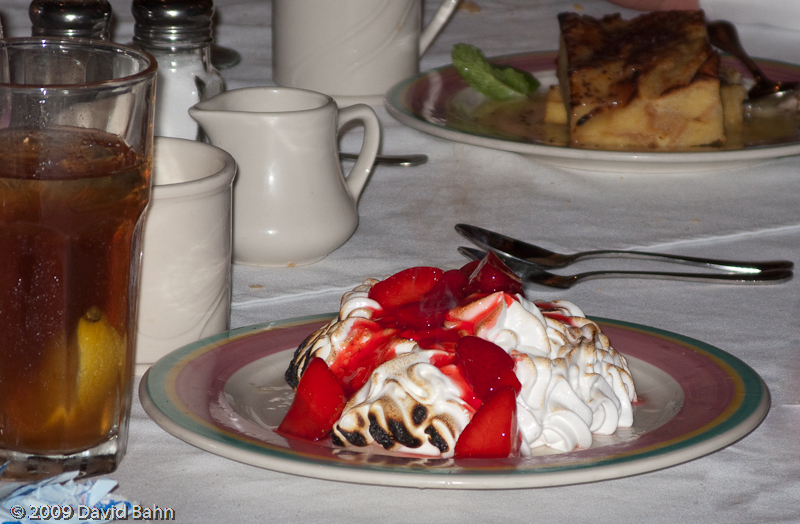
“Forgive us, Lord, for feast that knows no fast.” These words from the hymn Forgive us Lord for Shallow Thankfulness express a truth that is emblematic of our times. We do not fast. We know little about being in need. Time and again, after people return from third world mission trips, they express a profound sense of gratitude for the wealth we enjoy and a deep distress over the poverty they observed. We have much. We feast regularly. Fasting is at best an occasional curiosity. We may give up chocolate for Lent. But we are more well known for our Mardi Gras excesses than our Lenten restraint.
Even more sad is the self-serving nature of our feasting. We want to experience the finest wine and the most excellent culinary offerings for their own sakes. We can do so without even a thought to the Giver of every good gift. Not only do we not fast, we do not give thanks as we ought for even the finest food and drink we enjoy.
Some would make fasting a meritorious act on our part to gain God’s approval. Others might decide to fast in order to make up for some excess, sin, or failure. Fasting, however, in its best form serves to remind us of Christ and his suffering. Fasting may also heighten our awareness of God and his providential goodness.
Jesus’ comments here indicate that this was not the time for his disciples to fast, but that such a time would come. He is implying that at least one response to sadness, loss and grief is fasting. Whether or not that time has come for us today, it is quite certain that this neglected spiritual discipline has its place in the life of one devoted to God. And while there is nothing sinful about fine wine and food, there is also nothing wrong with fasting. This is not a means of appeasing God nor of gaining his love or approval, but of heightening our awareness of the truth Jesus expresses; he says, “It is written,
“‘Man shall not live by bread alone, but by every word that comes from the mouth of God.’” (Matthew 4:4 – quoting Deuteronomy 8:3)
For more on fasting you may wish to see the article, Spiritual Fasting (click on the link or copy and paste this into your browser address window: http://christianity.about.com/od/whatdoesthebiblesay/a/spiritualfasting.htm).
 David Bahn - Reflections
Leave a comment