Matthew 3:11-12
[John the Baptist says,] “I baptize you with water for repentance. But after me will come one who is more powerful than I, whose sandals I am not fit to carry. He will baptize you with the Holy Spirit and with fire. 12His winnowing fork is in his hand, and he will clear his threshing floor, gathering his wheat into the barn and burning up the chaff with unquenchable fire.”
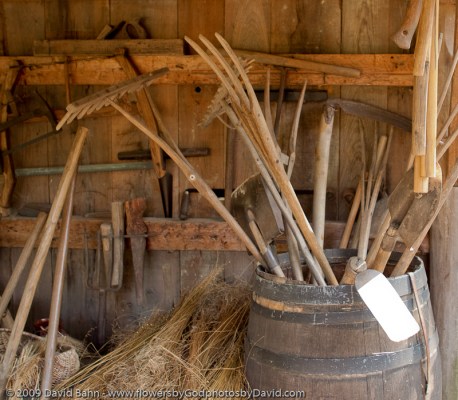
The ministry that John promises would issue from Jesus is in part that of baptizing with the Holy Spirit and fire. Then comes the clarification: his winnowing fork is ready so that the wheat can be gathered and the chaff can be burned up.
While I like the idea of Jesus pouring out the Holy Spirit, and all the implications of that gift, I’m not so comfortably drawn to the fire. The idea that there will be a judgment – that wheat and chaff will be separated – isn’t inviting to me. But maybe that’s because I don’t really understand the benefit of the judgment and separation.
Some people really look forward to the judgment because all the bad people will get their comeuppance; they’ll get their just deserts. Most people cringe in fear as they think about the judgment. It is a fearful thing to fall into the hands of the living God (Hebrews 10:31). So you might stand with me on the appeal of Jesus’ Holy Spirit baptism with the ambivalent (at best) response to Jesus’ fire baptism.
Some have connected the two with the out-pouring of the Holy Spirit at Pentecost. Well and good. But Pentecost is not an obvious judgment time. Images of winnowing forks and promises of burning chaff with unquenchable fire are clearly images of judgment.
But perhaps Pentecost is a judgment: God has determined to inhabit the faithful rather than the religious – if faithful refers to those who seek Jesus and gather for prayer while religious refers to people who try to manipulate God by their prayer and ritual. Religion may well be defined as the futile attempt to manipulate God, to get Him on our side – by whatever means, ritualistic, emotional, or sacrificial. That’s not true religion. Faithfulness is a matter of seeking God, believing His promises, desiring to know Him better and wanting to follow where He leads.
If that’s the case, then we ought to embrace this image of judgment – not as smug holier-than-thou pious folk, but as faithful followers of Christ. We seek His kingdom. We follow where He leads. We rely on His mercy. We trust in His promises. We await His judgment in the power of the Holy Spirit.

 David Bahn - Reflections
Leave a comment